LinkedIn si è evoluto ben oltre la semplice ricerca di lavoro. Con oltre 1,3 miliardi di membri in tutto il mondo e 310 milioni di utenti attivi mensili, oggi è la più grande rete professionale del mondo e uno dei percorsi più diretti per generare un reddito reale online.
Ma la piattaforma premia la strategia più della fortuna. Che tu offra un servizio, venda un prodotto o costruisca un pubblico, capire come guadagnare su LinkedIn nel 2026 è il tuo primo passo per trasformare la tua presenza in entrate.
Puoi guadagnare su LinkedIn?
Sì, e l'opportunità è in crescita. LinkedIn ha generato 17,81 miliardi di dollari di ricavi nell'anno fiscale 2025 e ha superato un tasso di ricavi annuo di 20 miliardi di dollari nel Q4 2025.
Questa crescita è trainata da una base utenti sempre più coinvolta: i tassi di coinvolgimento sulla piattaforma continuano a crescere, raggiungendo una media di 5,20% tra i formati di contenuto nel 2026, con i formati migliori che arrivano fino al 7%.
Questo livello di coinvolgimento significa che i tuoi contenuti, il tuo outreach e le tue offerte raggiungono veri decision-maker.
📊 LinkedIn riporta che 63 milioni di decision-maker usano la piattaforma, rendendola adatta per vendite B2B, consulenza e attività di servizi professionali.
Cosa prioritizza l'algoritmo di LinkedIn nel 2026?
Prima di monetizzare, è necessario che i tuoi contenuti raggiungano le persone. L'algoritmo del 2026 è cambiato in modo significativo rispetto agli anni precedenti. Ecco cosa conta di più:
Il tempo di permanenza, i salvataggi e le condivisioni ora superano i like come segnali di ranking.
I post restano nei feed per 2 o 3 settimane, non solo 24 ore come negli anni precedenti.
I caroselli generano il coinvolgimento più alto con un tasso medio del 24,42%, superando i video (6,47%) e i post solo testo (circa 4%).
LinkedIn sopprime attivamente il coinvolgimento automatizzato che non passa attraverso strumenti ufficiali verificati tramite API.
I commenti hanno 15 volte più peso dei like, quindi dare priorità alle risposte rispetto alle reazioni aumenta la copertura più rapidamente.
I primi 60-90 minuti dopo la pubblicazione sono fondamentali. Interagire attivamente in quella finestra segnala rilevanza all'algoritmo e amplia significativamente la tua copertura.
12 Ways to Make Money on LinkedIn in 2026
Here are twelve proven tactics for making money on LinkedIn in 2026. They cover services, affiliate marketing, sponsorships, digital products, and more.
1. Selling a Service
This is the most direct and scalable method available on LinkedIn, especially for coaches, consultants, designers, and marketers who already have defined offers.
The goal is to position your expertise so that the right people come to you. Your LinkedIn profile acts as a landing page, and your content builds the trust that makes prospects comfortable reaching out.
What makes this work in 2026 is the following:
A specific, outcome-focused offer (not "I help businesses grow" but "I help SaaS founders add 3 qualified calls per week through LinkedIn content").
A profile optimized with a strong headline, a results-driven “About” section, and a banner with a clear call to action.
Three to five posts already live on your profile before you start outreach, so visitors see proof before they reply.
Outreach that references something specific about the prospect, rather than a generic pitch.
You don’t need thousands of followers to land your first client. Clear positioning and a smart outreach strategy are enough to start generating revenue from LinkedIn directly.
2. Selling Digital or Physical Products
LinkedIn is an effective channel for product-based businesses when the approach is educational rather than promotional.
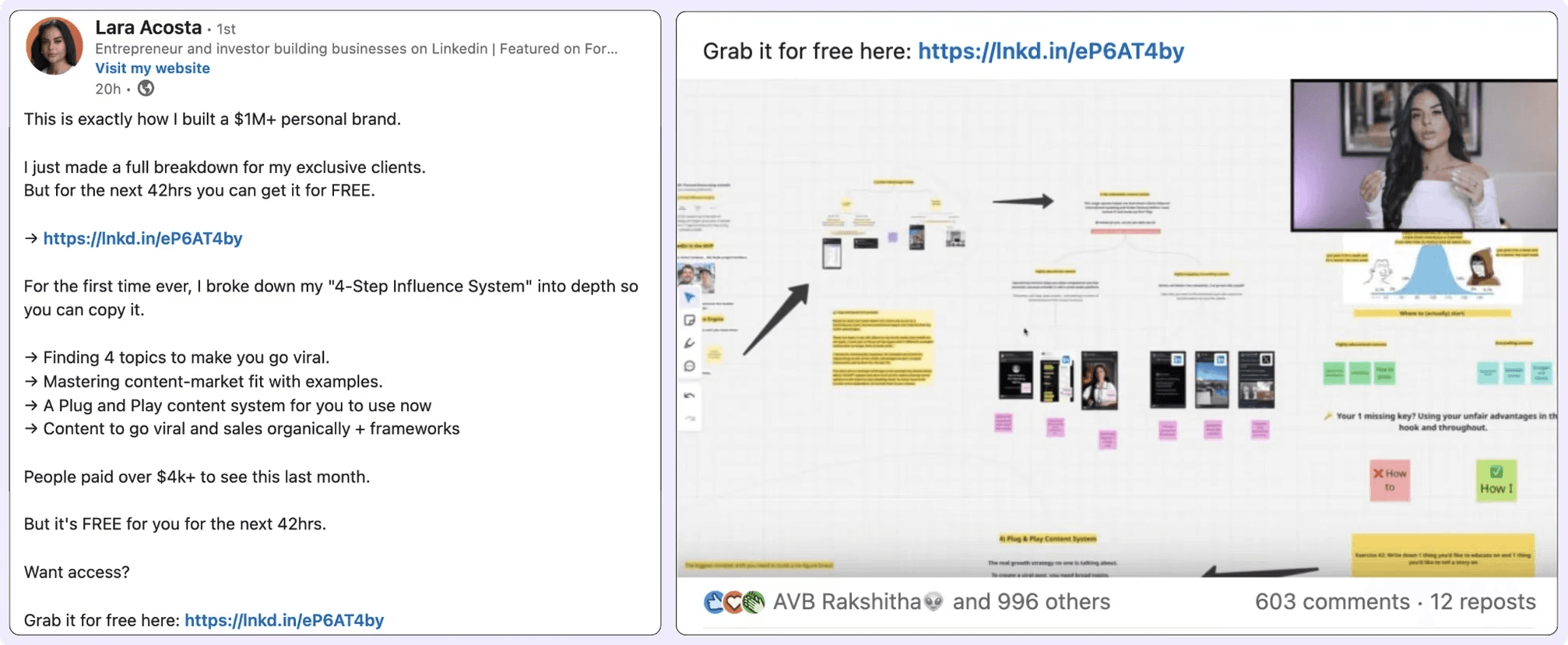
Posts that demonstrate how your product solves a real problem, show customer outcomes, or tell the story behind what you built consistently outperform posts that read like ads.
Instead of "Buy my productivity planner," try "Here’s how I structured my week to review 40 pieces of content in under two hours. I turned this system into a planner for founders who feel overwhelmed."
That framing builds curiosity, credibility, and purchase intent at the same time.
3. Affiliate Marketing
Affiliate marketing works on LinkedIn when you lead with insight rather than links. Recommending tools you actually use, in the context of problems your audience faces, earns far more trust and clicks than a promotional post.
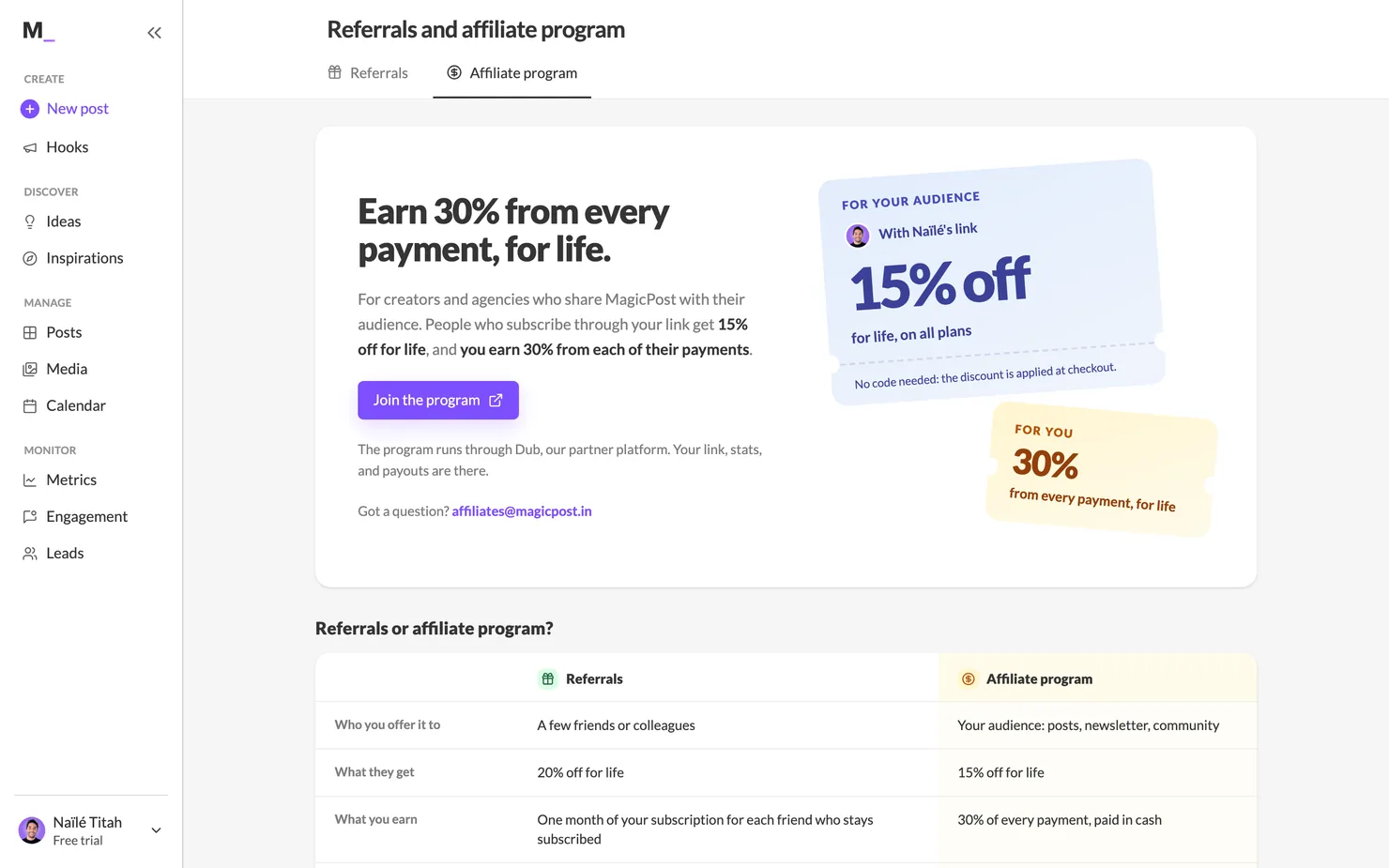
How to make affiliate marketing work here:
Choose products tightly aligned with your niche and audience, tools you’ve used yourself.
Share personal use cases, comparisons, or results that naturally reference the product.
Be transparent about earning a commission; it builds trust rather than eroding it.
Put the affiliate link in the post or the first comment, but don't let a link preview card be the post's only visual: those posts got 35% fewer impressions in our study of 865,980 LinkedIn posts, while a URL in a text, image, carousel or video post cost about 3%.
Affiliate income builds slowly but can become a meaningful passive revenue stream with consistency. The key is to treat it as a content strategy, not a sales strategy.
4. Sponsored Posts and Brand Collaborations
Brands pay LinkedIn creators for sponsored posts when those creators have an engaged, niche-relevant audience. You don’t need a massive following; what matters is relevance and trust.
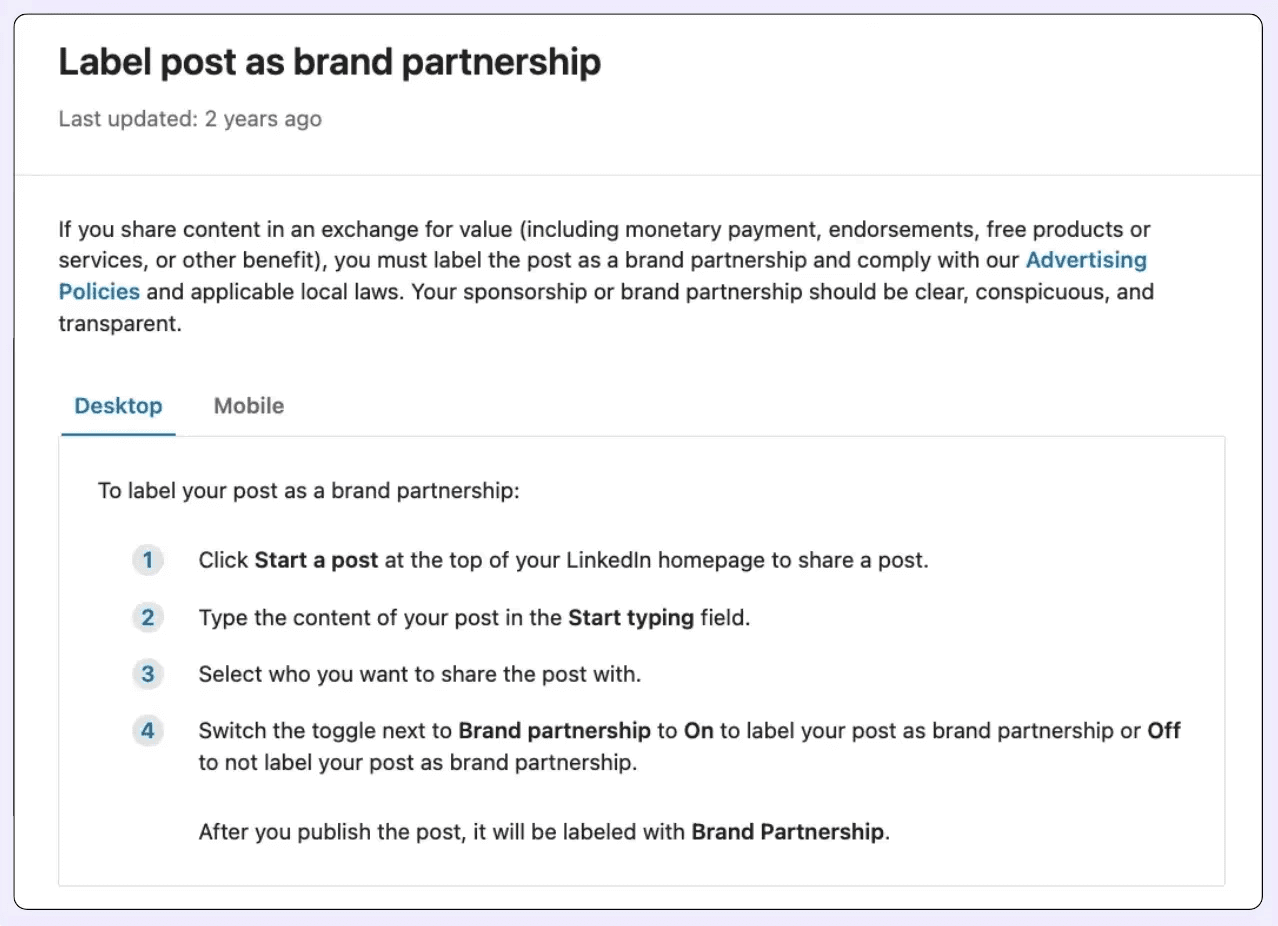
A creator with 8,000 engaged followers in the cybersecurity space is more valuable to a B2B security tool than a generalist with 80,000 connections.
How to attract brand deals:
Build a simple media kit with your follower count, post views, engagement rate, and audience breakdown by industry and seniority.
Tag brands in relevant posts to get noticed organically before making an approach.
Reach out directly to founders or marketing leads with a clear pitch that connects your audience to their ideal customer.
Propose specific content ideas upfront, such as a product review, a before-and-after case study, or a tutorial post.
LinkedIn's BrandLink program, launched in May 2025, has also formalized a revenue-sharing model between the platform and select B2B video creators, placing ads in the pre-roll of creator videos alongside premium publishers.
As this program expands, expect direct monetization through LinkedIn’s own infrastructure to become more accessible.
5. Building an Email List from LinkedIn Followers
LinkedIn is excellent for growing an audience, but the real monetization often happens off-platform through your email list. Email gives you direct, algorithm-free access to people who have already expressed interest in what you do.
The workflow is straightforward:
Create a lead magnet (a guide, checklist, template, or short course) that solves one specific problem your LinkedIn audience faces.
Promote it through posts and direct messages, with the link either in comments or in a linked article.
Nurture your list with genuinely useful content, then make offers for your products or services when the timing is right.
Email converts at a higher rate than most social platforms because subscribers have taken an active step to hear from you. LinkedIn is the top of that funnel.
6. Hosting Paid Webinars and Workshops
If you already have an audience on LinkedIn, you have a built-in pool of potential attendees. Webinars let you deliver concentrated value in a format that naturally leads to higher-ticket offers.
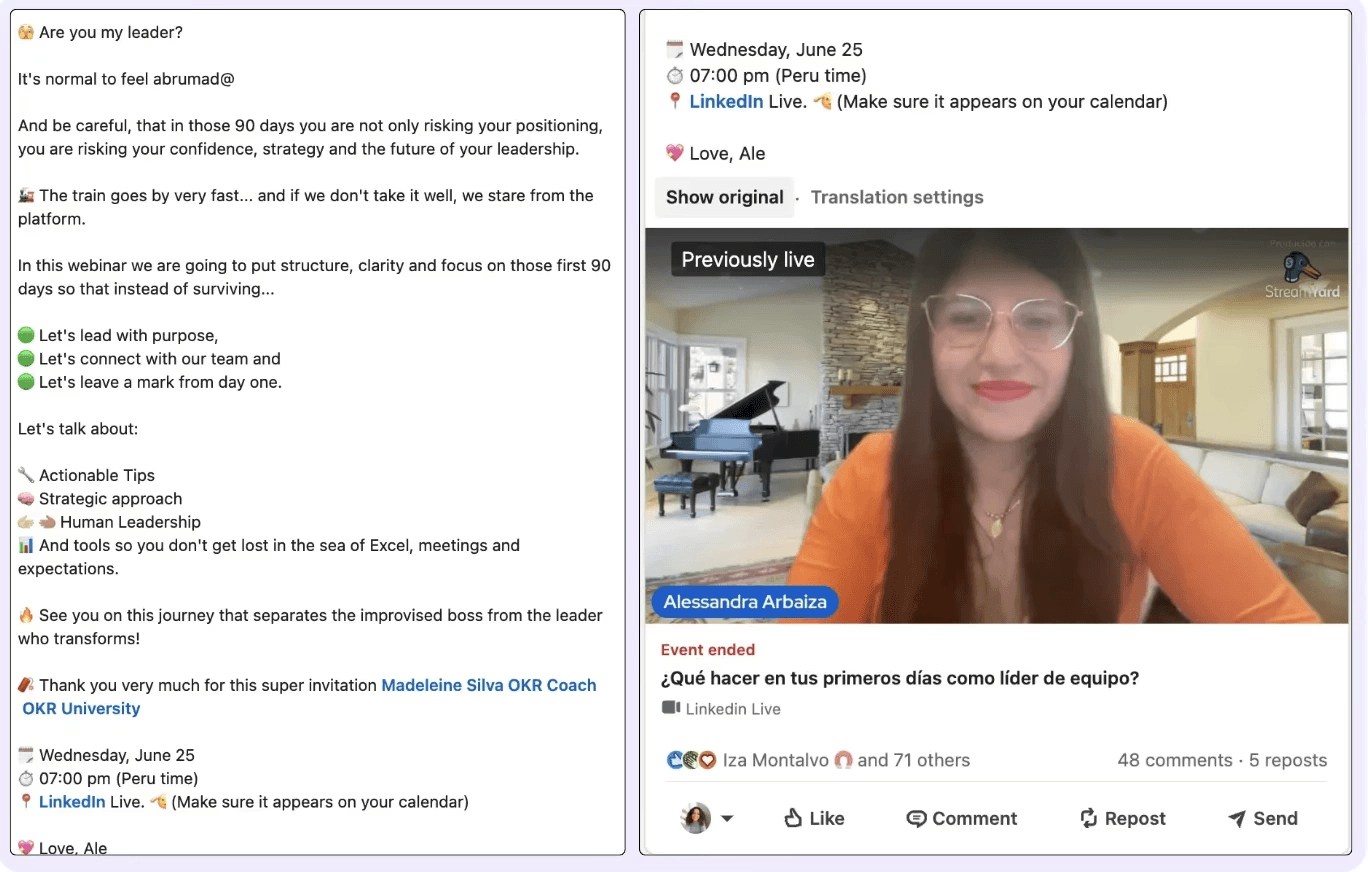
Here’s how to monetize webinars through LinkedIn:
Promote a high-value session on a specific, outcome-focused topic. Not "LinkedIn tips" but "How to book 5 qualified calls a week from LinkedIn without paid ads.”
Charge for access using Eventbrite, Gumroad, or a payment link in your bio.
Offer a limited-time replay or bonus materials to increase perceived value and create urgency.
Use the live session to introduce a higher-ticket offer: a coaching program, a course, or a retainer.
Repurpose the key moments from each webinar as posts and carousels to extend the reach of the content and attract attendees for your next session.
7. Offering LinkedIn Profile Audits and Optimization
LinkedIn profile optimization is one of the most in-demand services on the platform right now. Professionals, solopreneurs, and job seekers consistently underestimate how much their profile affects their inbound opportunities, and they will pay for expert help.
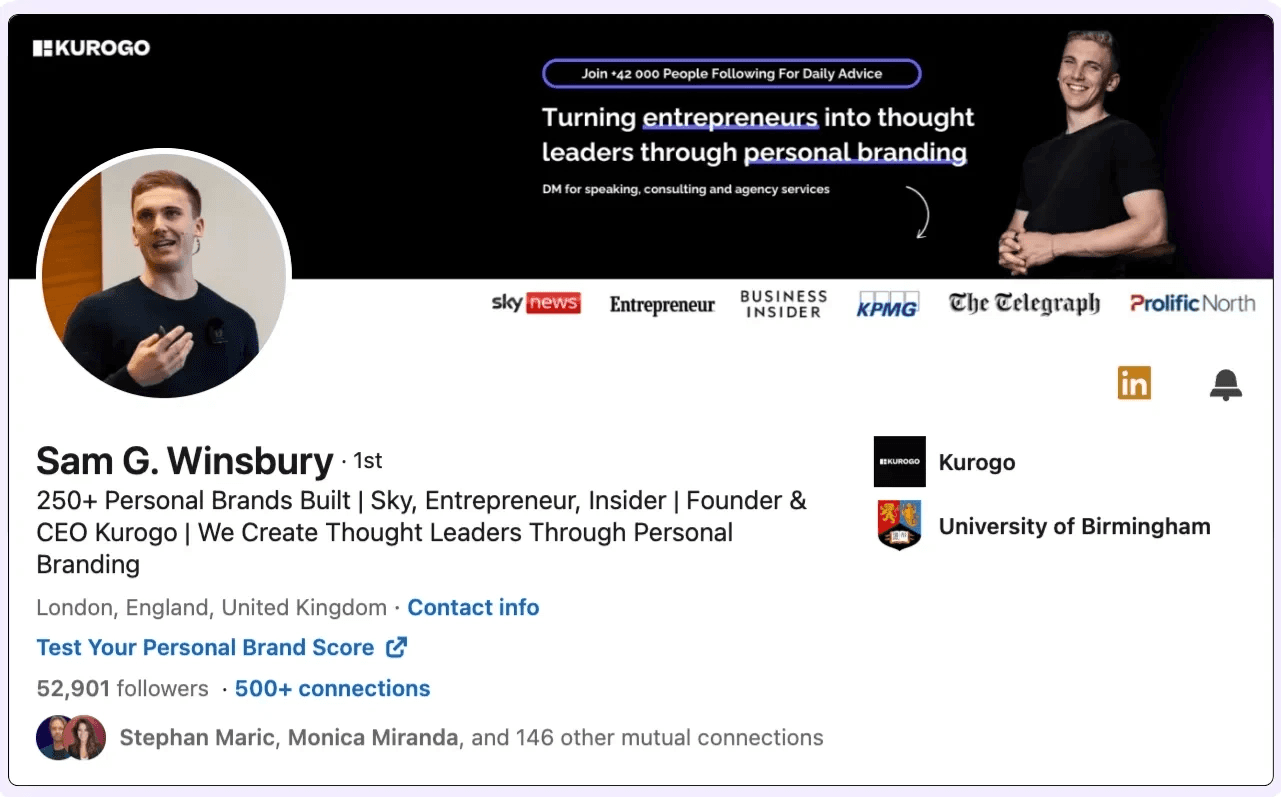
A standard profile audit might include:
Rewriting the headline to attract the right audience for a specific goal.
Overhauling the “About” section to tell a clear, compelling story.
Designing or specifying a custom banner that communicates the offer at a glance.
Reviewing featured posts, links, and recommendations for alignment with the overall positioning.
This service pairs naturally with content strategy and ghostwriting. Many clients who come for an audit end up wanting ongoing support creating and publishing content.
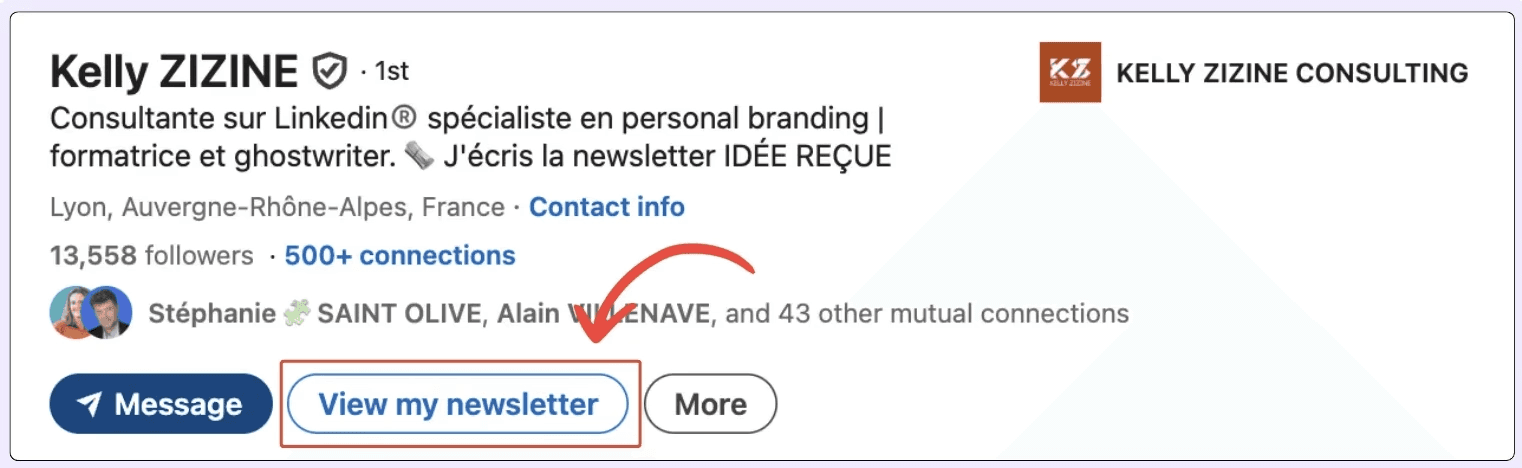
8. Publishing LinkedIn Newsletters
LinkedIn newsletters are a direct monetization tool that the platform largely handles for you. Every time you publish, subscribers are notified both inside LinkedIn and via email. That double exposure is something external newsletter platforms can’t replicate without additional effort.
Here’s how to build and monetize a LinkedIn newsletter:
Pick a niche topic specific enough to attract a defined audience. Not “marketing tips" but "B2B content strategy for founders under 500 followers.”
Publish consistently, starting at once or twice per month, before increasing frequency as your subscriber base grows.
Once you have a reliable readership, introduce paid tiers with deeper-dive content such as case studies, templates, and exclusive interviews.
Bundle newsletter access with a private community, a Q&A session, or a coaching program.
Top LinkedIn newsletters in 2025 have exceeded 500,000 subscribers. Even at a fraction of that scale, a focused newsletter can become a meaningful source of recurring revenue.
9. Creating and Selling Digital Templates or Resources
Content creators and busy professionals consistently need plug-and-play tools that save them time. Templates, swipe files, and content systems fill that gap and sell well at accessible price points.
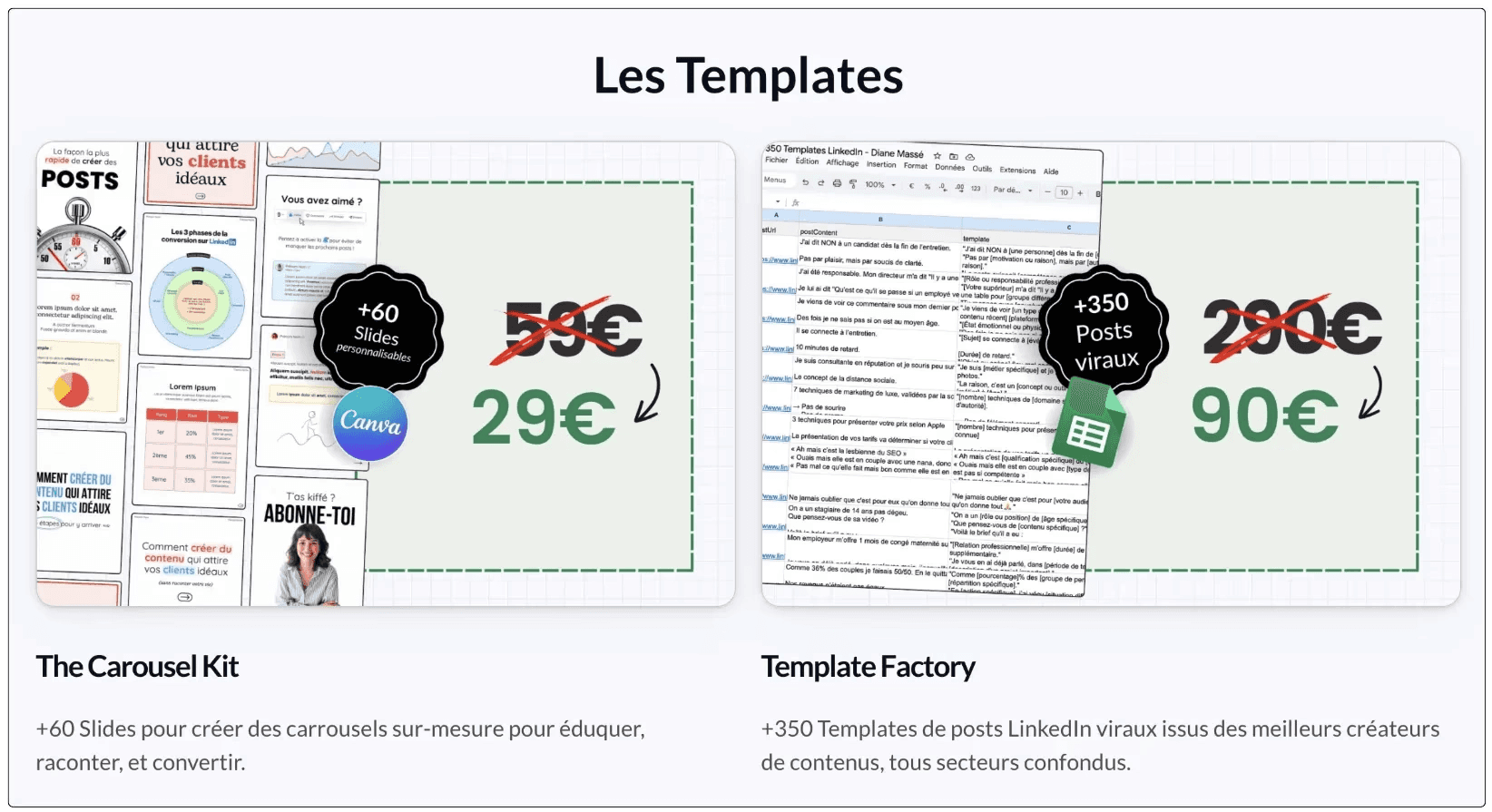
Popular digital products for LinkedIn audiences include:
30-day LinkedIn content calendars with post prompts by format and goal.
Fill-in-the-blank post frameworks for high-performing formats like lists, stories, and opinion pieces.
Personal branding starter kits with profile copy, headline formulas, and visual guidelines.
Swipe files for hooks and headlines.
Start with a price point between $9 and $49 to lower the barrier for first-time buyers. Once they see the value, upselling them into higher-ticket services (a profile audit, a coaching call, or a course) becomes straightforward.
10. Leveraging LinkedIn Groups to Build a Paid Community
LinkedIn Groups remain an underused but powerful way to aggregate a niche audience around a shared interest or challenge. Once the group is established and engaged, it becomes a platform for paid membership tiers, exclusive content, and expert access.
The model works in layers:
Start with a free group around a specific niche: B2B founders, female sales leaders, or early-stage SaaS operators.
Build engagement through weekly prompts, featured member spotlights, and expert posts.
Introduce a paid tier with exclusive content, live Q&As, or mastermind access, managed externally through a payment platform.
LinkedIn doesn’t yet offer native payment for Groups, but this is a widely anticipated feature given the platform's expansion into creator monetization. Managing payments through Stripe or Gumroad while keeping the community in LinkedIn works reliably in the interim.
11. Direct Outreach and Prospecting
LinkedIn outreach turns your profile into a prospecting machine. The model is straightforward: define who you want to work with, find them using LinkedIn's search tools, and contact them with a message that speaks directly to a problem they’re facing.
What separates effective outreach from noise is the following:
Messages that reference something specific about the recipient: a post they wrote, a role change, or a shared connection.
One concrete outcome offered, not a list of services.
An easy next step, such as a 15-minute call, a short loom video, or a free audit, rather than a hard pitch
Tools that make outreach more effective:
LinkedIn Sales Navigator for precise targeting, saved lead lists, and account monitoring.
Lemlist for multichannel sequences combining connection requests, DMs, and email.
io for verified contact data alongside LinkedIn prospecting.
Track replies, booked calls, and closed deals to identify which messages, segments, and offers actually convert. Double down on what works.
12. BrandLink: LinkedIn's creator revenue programme
LinkedIn launched BrandLink in May 2025, marking the platform's first direct creator payment system. It places advertiser pre-roll video ads alongside content from select creators, with LinkedIn sharing a portion of that ad revenue with them.
Participation is currently limited to an initial cohort of 30 B2B-focused creators (names like Steven Bartlett, Gary Vaynerchuk, and Guy Raz), but the program is expected to expand as LinkedIn doubles down on the creator economy.
What BrandLink proves is that video is becoming LinkedIn's priority format. Building a video presence now, even before BrandLink is accessible to most creators, positions you well for when it opens further.
Perché costruire una community su LinkedIn rende ogni metodo più facile
Ogni approccio sopra descritto trae vantaggio da un pubblico già esistente. Quando le persone ti conoscono già e si fidano di te, vendere un servizio, lanciare un prodotto o organizzare un webinar richiede molta meno persuasione.
Detto questo, non ti servono 10.000 follower per iniziare. Un elenco mirato di 500 connessioni pertinenti, combinato con un'offerta chiara, è sufficiente per ottenere i tuoi primi clienti. La community amplifica ciò che stai già facendo; non sostituisce le basi.
La strada più rapida per costruire un pubblico coinvolto su LinkedIn nel 2026 è la seguente:
Pubblica da tre a cinque volte alla settimana contenuti che risolvano problemi specifici per un pubblico definito.
Rispondi a ogni commento entro la prima ora dalla pubblicazione.
Commenta ogni giorno i post di altri nel tuo settore.
Aggiungi da 10 a 20 connessioni mirate alla settimana, persone che corrispondono al profilo del tuo cliente ideale o collaboratore.
Quali sono gli errori più comuni quando si monetizza LinkedIn?
Evita assolutamente questi errori durante il processo di monetizzazione della tua presenza su LinkedIn.
Errore | Cosa fare invece |
|---|---|
Iniziare con un pitch di vendita nei DM | Inizia con curiosità o con un'osservazione pertinente. Avvia una breve conversazione prima di menzionare la tua offerta. |
Inviare messaggi di contatto senza contenuti sul tuo profilo | Pubblica almeno tre contenuti validi prima di qualsiasi contatto. Il tuo profilo è la tua credibilità. |
Applicare la stessa strategia senza monitorare i risultati | Testa formati dei post, ganci dei messaggi e tipi di offerta. Tieni traccia delle risposte, degli incontri e delle vendite concluse. |
Aspettare i follower prima di fare offerte | Puoi vendere fin dal primo giorno con un messaggio chiaro e un pubblico definito. I follower amplificano ciò che funziona, non lo creano. |
Considerazioni finali
Monetizzare LinkedIn si riduce a tre cose: un'offerta chiara, contenuti costanti e relazioni genuine. Tuttavia, nulla di tutto questo conta senza un sistema che lo supporti.
È qui che entra in gioco MagicPost. Se sei pronto a smettere di improvvisare i tuoi contenuti su LinkedIn e iniziare a pubblicare con una vera strategia, MagicPost aiuta team e singoli a creare, programmare, pubblicare e analizzare contenuti che generano davvero risultati.
MagicPost si occupa della parte dei contenuti al posto tuo, così puoi concentrarti sulla parte che porta davvero guadagni. Provalo gratis oggi; non è richiesta alcuna carta di credito.
FAQ
LinkedIn può pagarti direttamente?
No, LinkedIn non dispone di un sistema di pagamento integrato per la maggior parte dei creator. Se fai parte del programma BrandLink, LinkedIn condivide direttamente i ricavi pubblicitari. Per tutti gli altri, la monetizzazione avviene tramite strumenti esterni: Stripe, PayPal, Gumroad o Lemon Squeezy. LinkedIn è il luogo in cui generi il lead o il pubblico. La transazione avviene altrove.
Quanti follower servono per guadagnare su LinkedIn?
Non esiste un minimo. Molti professionisti chiudono il loro primo cliente con meno di 500 connessioni, combinando un'offerta chiara con un'attività di contatto mirata.
Detto ciò, una rete di 500-2.000 follower coinvolti rende la monetizzazione guidata dai contenuti molto più semplice perché i tuoi post raggiungono più persone senza richiedere ogni volta un'attività di contatto attiva.
Qual è il modo più rapido per iniziare a guadagnare su LinkedIn?
Per la maggior parte delle persone, il percorso più rapido è vendere direttamente un servizio. Definisci chiaramente la tua offerta, ottimizza il tuo profilo, pubblica due o tre contenuti che dimostrino la tua competenza, poi invia da 10 a 20 richieste di connessione mirate a settimana con un messaggio breve e personalizzato.
A quel ritmo, le prime conversazioni di solito iniziano entro due o tre settimane.
Come posso aumentare in fretta i follower su LinkedIn?
Ecco cosa funziona (e mantiene comunque il tuo profilo professionale):
Pubblica contenuti di valore 3 a 5 volte a settimana
Interagisci con altri creatori nel tuo settore
Aggiungi persone manualmente: ex colleghi, clienti, collaboratori o nuovi contatti
Assicurati che il tuo profilo appaia pulito e che il tuo titolo spieghi chiaramente cosa fai
Rispondi ai messaggi diretti e ai commenti per mantenere viva la conversazione
LinkedIn è adatto all'affiliate marketing?
Sì, ma solo quando l'approccio si basa su insight e non sulla promozione. I post che condividono esperienze autentiche con gli strumenti e includono link affiliati nei commenti ottengono buoni risultati.
I post promozionali diretti, che mettono il prodotto in primo piano, fanno perdere fiducia al tuo pubblico e il tono promozionale si accompagna anche a una portata inferiore: secondo i dati di MagicPost, da gennaio a luglio 2026 i post con un link hanno raggiunto il 18% di persone in meno rispetto ai post della stessa persona senza link, ma solo il 10% in meno a parità di messaggio promozionale.
LinkedIn penalizza i link in uscita nei post?
Un post con un link ha ottenuto l'11% di impressioni in meno rispetto ai post della stessa persona senza link, a parità di messaggio, secondo il nostro studio su 865.980 post di LinkedIn. Quasi tutto dipende dal riquadro di anteprima del link: quando era l'unico visual del post, si sono registrate il 35% di impressioni in meno, mentre un URL inserito in un post di testo, con immagine, carosello o video ha comportato una riduzione di circa il 3%.
Spostare il link nel primo commento non ha fatto alcuna differenza misurabile (il 2% di impressioni in meno rispetto a un URL nel post) e LinkedIn non conta i clic su un link nei commenti. Quindi inserisci il link dove i lettori lo troveranno e assegna al post un visual tutto suo, invece di usare un riquadro di anteprima.