

If your footsteps have led you here, it's not by chance. You're looking for answers in the vast realm that is LinkedIn, and your mega-busy schedule (yes, you are not alone) doesn't allow you to post as much as you would. And with the quality you want. Or you deserve.
It's no secret that showing up on LinkedIn as a founder like you, can build authority, trust and brand awareness. Ultimately these elements would generate interest and leads for your business. You don't want to miss out on this right?
That’s a good thing. Because, we know what you want and need: Save time!

How? By knowing what to post in advance, of course.
And when do you want it? Now!
Below, we've concocted a delicious cocktail of ideas and tools to help you write and create posts that match your business, your target audience and your objectives.
Compliments of the chef!
Before You Write: Know Your Audience and Goals
You suspected it already. You're a professional. You've done the same thing with your product or the services you offer.
Just like any successful venture, effective LinkedIn content starts with a solid plan. Understanding your target audience and setting clear goals are critical steps that ensure your content resonates and drives engagement. It’s about being strategic so that every post counts.
“To know thyself is the beginning of wisdom”. That was the words of Socrates. In your case, it would be "To know your audience is the beginning of success.”
Steps to Get Prepared
Identify Your Audience:
Who Are They?
Consider who you’re trying to reach. Are they potential customers, industry peers, investors, or job seekers? Understanding your audience’s demographics, interests, and pain points is crucial.
What Do They Care About?
Know what topics are important to them. Are they looking for industry insights, success stories, or practical tips? Tailor your content to their interests to keep them engaged.
Define Your Goals:
What Do You Want to Achieve?
Are you aiming to boost brand awareness, generate leads, showcase thought leadership, or recruit top talent? Your objectives will shape your content strategy.
How Will You Measure Success?
Set clear metrics to gauge the effectiveness of your posts, whether it’s through engagement rates, follower growth, or lead generation. We’ve already talked about the importance of LinkedIn Analytics.
Research Trends and Topics:
Stay Current
Keep an eye on trending topics in your industry and think about how you can add your unique perspective.
Know Your Competition
Check out what other thought leaders and competitors are posting. This can give you inspiration and help you identify gaps or opportunities to differentiate yourself.
Plan Your Content Mix:
Balance the Pillars
Decide how you’ll mix storytelling, selling content, and value content. A balanced approach keeps your content diverse and engaging.
Create a Content Calendar
Schedule your posts to ensure a consistent presence on LinkedIn without feeling overwhelmed.
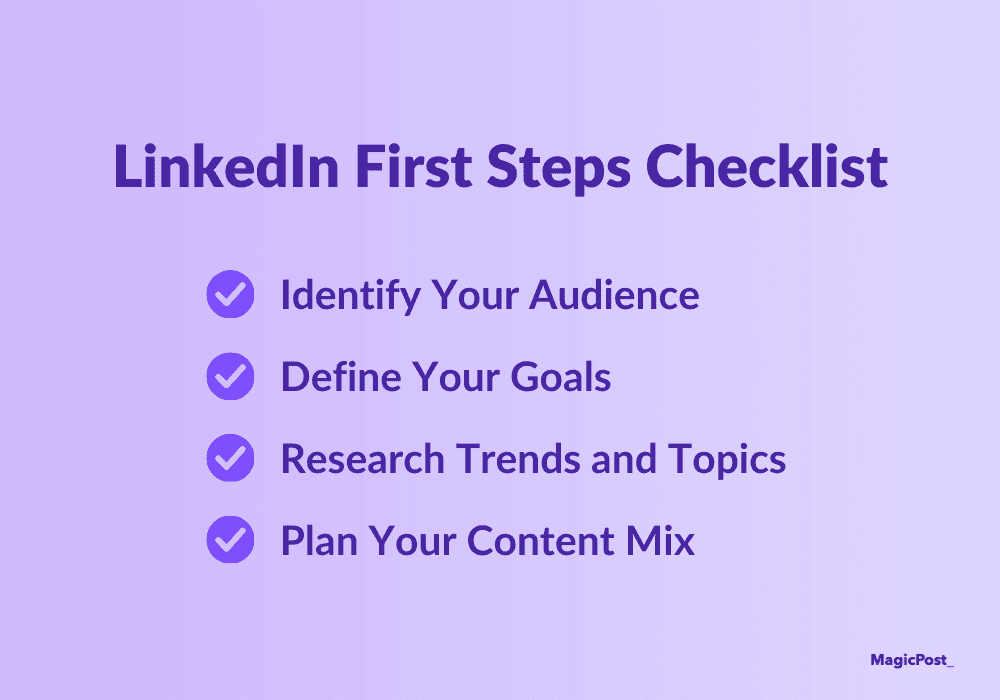
With these steps in mind, you’re ready to craft LinkedIn content that not only captivates but also delivers results. Like a superhero who has checked all his kit before taking the field and facing the villain, you have all the weapons you need to continue and succeed on LinkedIn.
Content Pillars: Power Your Brand with Stories, Sales, and Value
Creating an effective content strategy isn't just about throwing out posts and hoping something sticks. It’s about crafting a cohesive narrative and providing genuine value that resonates with your audience.
Think of your strategy as a house built on three solid pillars—Storytelling, Selling, and Value—each one reinforcing and amplifying the others to create a powerful, lead-generating engine for your personal brand.
Let’s have a look on each of these pillars to see how they can transform your LinkedIn presence and help you stand out in the crowded digital landscape:
Storytelling - Storytelling is where your brand’s heart beats strongest. It’s not just about recounting your company’s milestones or achievements, but about painting a vivid picture of the journey that got you there.
This pillar is all about sharing personal and company stories that tug at the heartstrings of your audience and create a deep, emotional connection.
Selling - Selling on LinkedIn isn’t about hard pitches or bombarding your audience with product features. It’s about showcasing your offerings in a way that highlights their unique value and connects with your audience's needs and desires.
This pillar is crucial for converting your engaged audience into loyal customers.
Value - The value pillar is where you shine as a thought leader and trusted resource in your field. It’s about providing your audience with content that is not only useful and informative but also actionable and relevant to their needs.
This pillar helps build trust, credibility, and a loyal following. And yes, when you rode those lines, you thought about some of your most favorite LinkedIn creators and founders. Imagine now, it can be you.
Storytelling : Find Your Journey and Share It
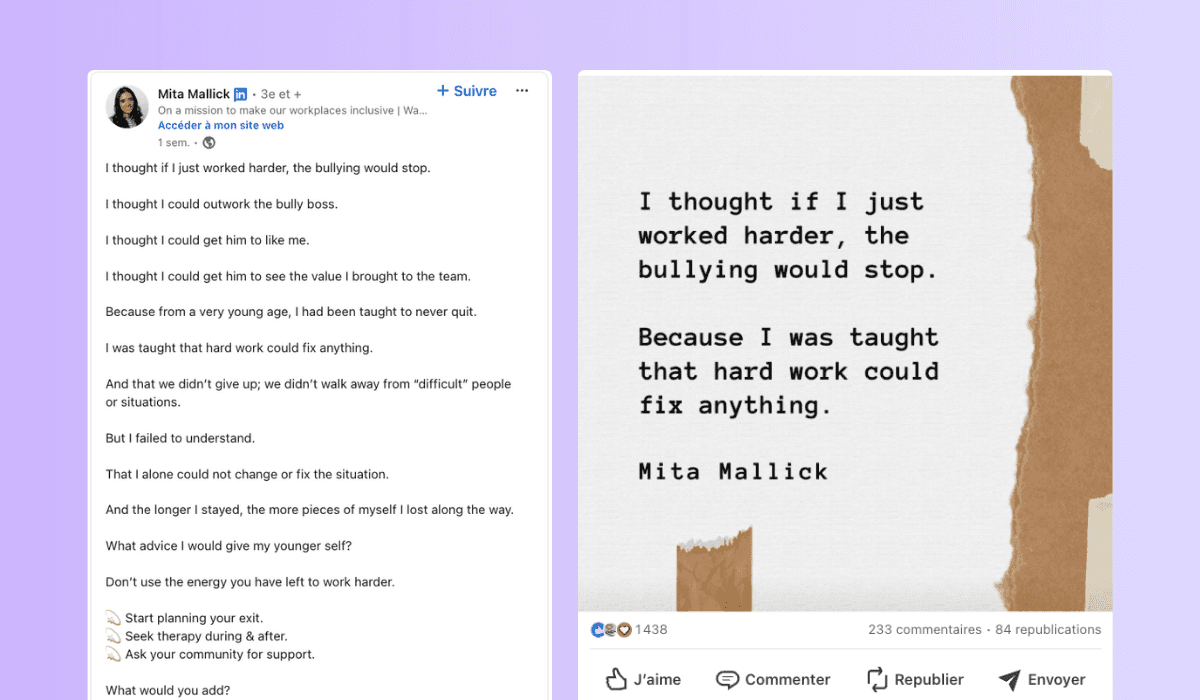
Lara Acosta, Mita Mallick or Haoma Worgwu are extraordinary and successful women. They are top-creators on LinkedIn as you may know. Why are they so successful on LinkedIn? The power of storytelling.
What’s behind your LinkedIn profile?
Here's how they create such viral and engaging posts:
Your Origins and Challenges: Let’s get into the genesis of your company. What inspired you to start? What challenges did you face along the way?
Sharing your struggles and triumphs not only humanizes your brand but also builds empathy and connection.
For example, talk about the time you had to pivot your business model overnight due to unexpected market changes. Highlighting such experiences makes you relatable and trustworthy.
Successes and Lessons Learned: Don’t shy away from celebrating your wins, but also reflect on the lessons learned from failures. Share the key takeaways from both your successes and setbacks.
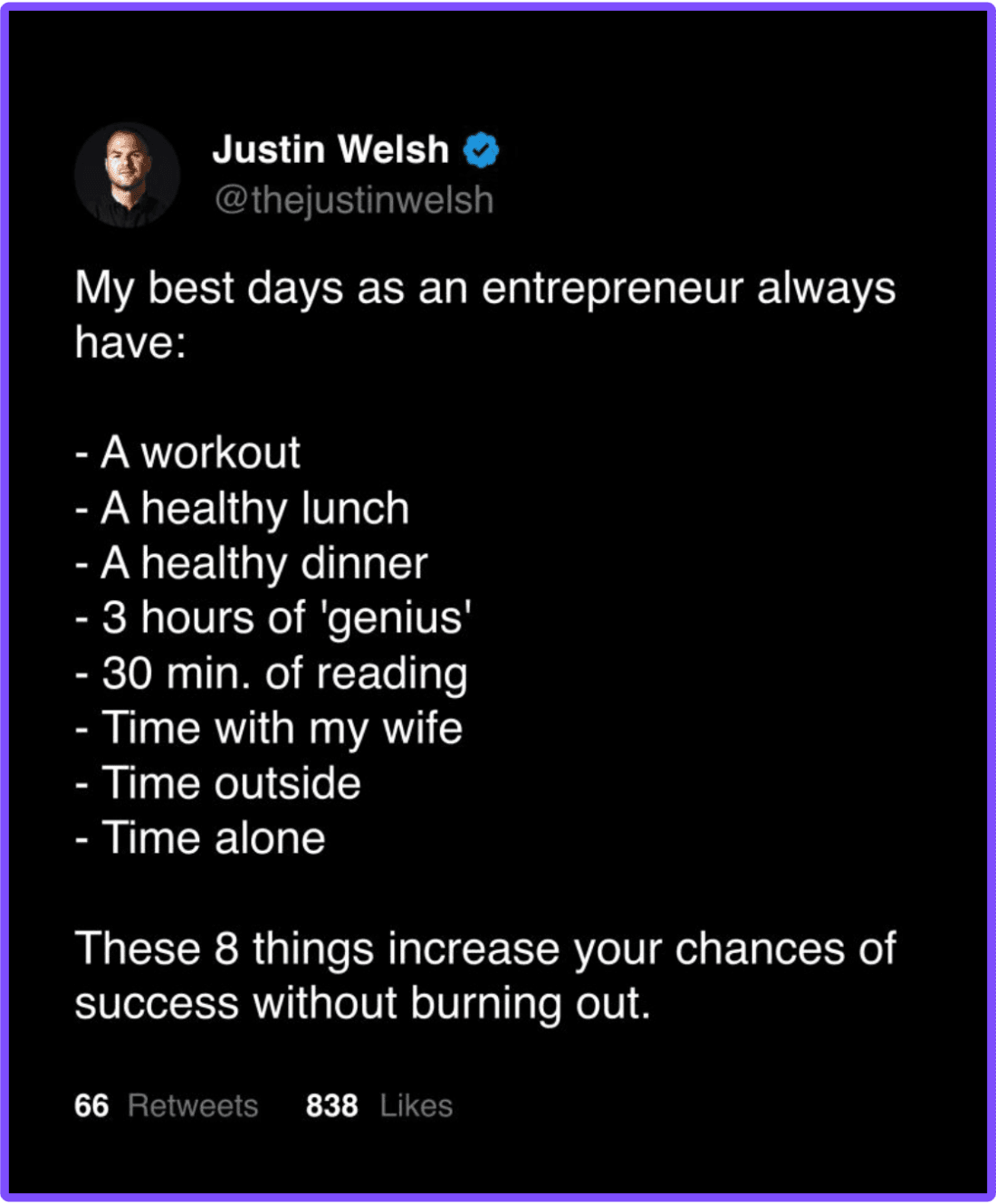
For instance, discuss how a failed product launch taught you valuable lessons in market research and customer feedback. These stories position you as resilient and adaptable, qualities that resonate deeply with your audience.
The Human Side: Showcase the people behind your brand—your team, your customers, your partners. Share their stories and experiences.
This not only adds a personal touch but also shows your audience that your business is more than just a brand—it’s a community.
For example, you might highlight an employee’s journey within the company or a customer’s success story thanks to your product or service.
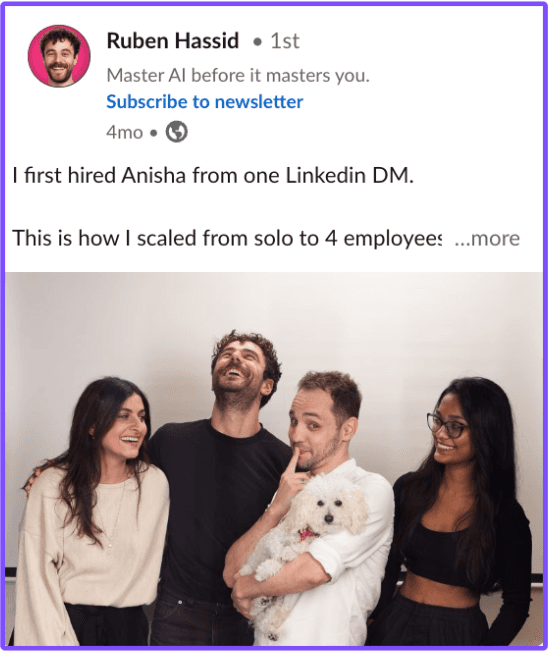
In essence, storytelling isn’t just a pillar—it’s the foundation of your brand’s personality. It’s about letting your audience see the passion, perseverance, and people behind your business!
By sharing stories of personal challenges, mental health journeys, and the pursuit of fulfilling careers that align with your values, you can inspire and empower your audience.
Storytelling Content Ideas
You'll find some useful ideas below to put to good use when you want to harness the power of storytelling:
Lessons Learnt - Share something you've learnt as a founder that would benefit your target audience
Industry Insights - Let your audience know your predictions for the future of your industry
Social Media vs. Reality - Share a realistic day as a founder
Staff Shoutouts - Shoutout a member of your team and talk about their involvement in making your business successful
A challenging time - Talk about a hurdle you've overcome
Mistakes/regrets as a founder - Think about a mistake you've made and how it impacted your business
How you started - People connect with a good origin story!
Milestone moments - Reflect back on a pivotal moment of your career
Work/Life balance - Talk about how you unwind after work and prioritise self care
Family shoutouts - Any inspirations in your family? Shout them out!
Big break - Define the one moment you felt was your opening in the industry
Pro tip: Use MagicPost’s free LinkedIn post idea generator to find new ideas for your next viral post!
Storytelling Content Examples
Do you always struggle to find hooks when you're writing? Don't worry, we're here:
Example hooks:
“The biggest lesson of my first trading year was”
“I would have never started ___ if it wasn't for this”
“The one thing I regret as a business owner is ____”
“I almost quit, but chose not to because of ____”
“The biggest obstacle I faced was ____”
“___ wouldn't be the same if it wasn't for staff member”
“Today was my worst day as a founder"
Selling: Showcase and Persuade with Authenticity
Like we said earlier, this pillar is crucial for converting your engaged audience into loyal customers.
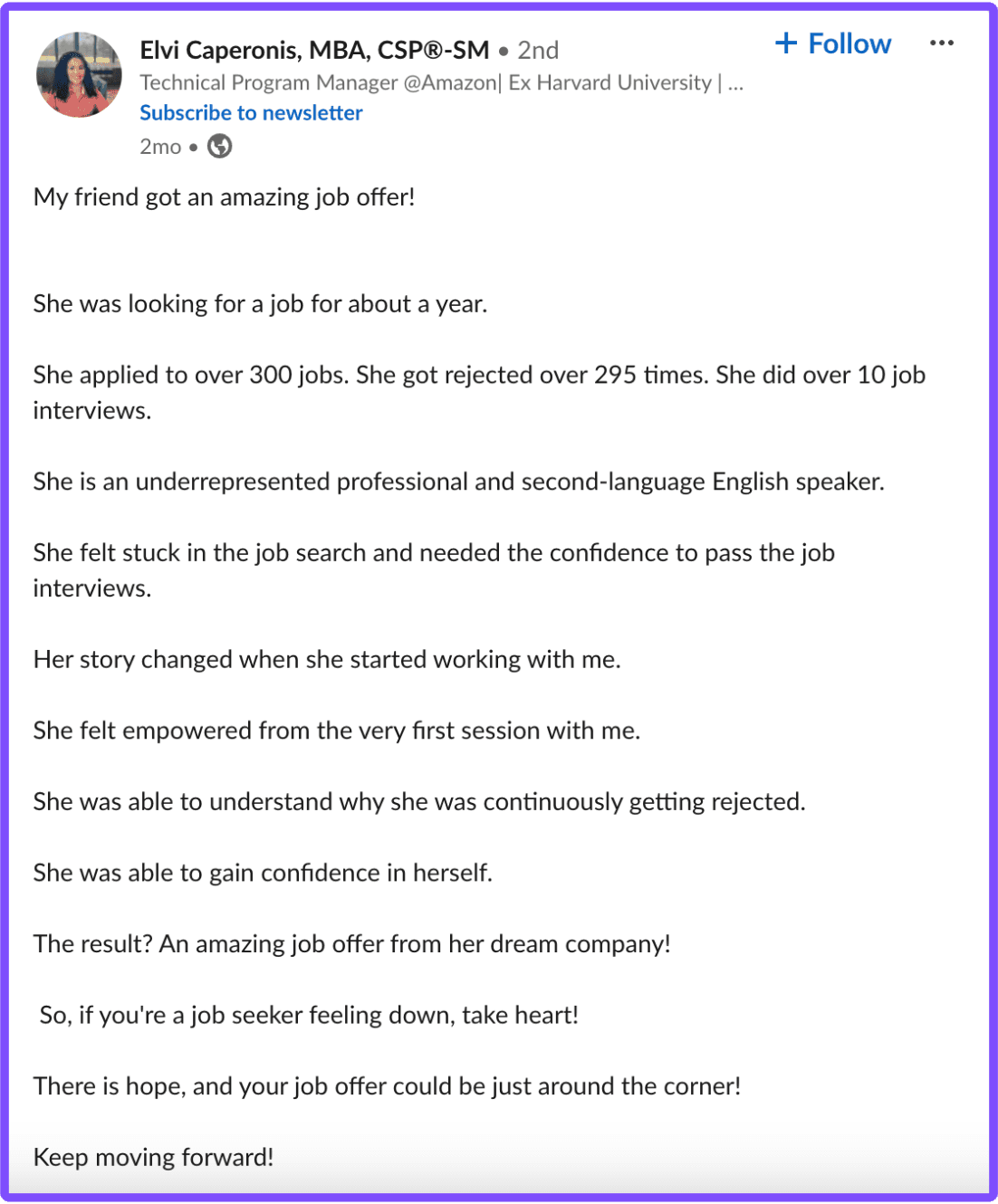
For instance, look at how J.T. O'Donnell, another LinkedIn top creator, effectively uses her posts to showcase the value of her career coaching services, turning her informative content into a magnet for potential clients.
Likewise, Morgan Ingram, known for his expertise in sales training, uses LinkedIn to demonstrate the effectiveness of his methods through client success stories and case studies. His approach doesn't just sell a product; it offers proof of transformation, making his audience eager to engage and convert.
How to Convert Your Audience Into Customers on LinkedIn?
Product Demos and Benefits: Highlight your products or services by showing them in action. Use videos, infographics, or detailed posts to demonstrate how your offering works and the benefits it provides.
A short video walkthrough of your latest software update can show potential customers exactly how it can solve their problems and improve their workflow.
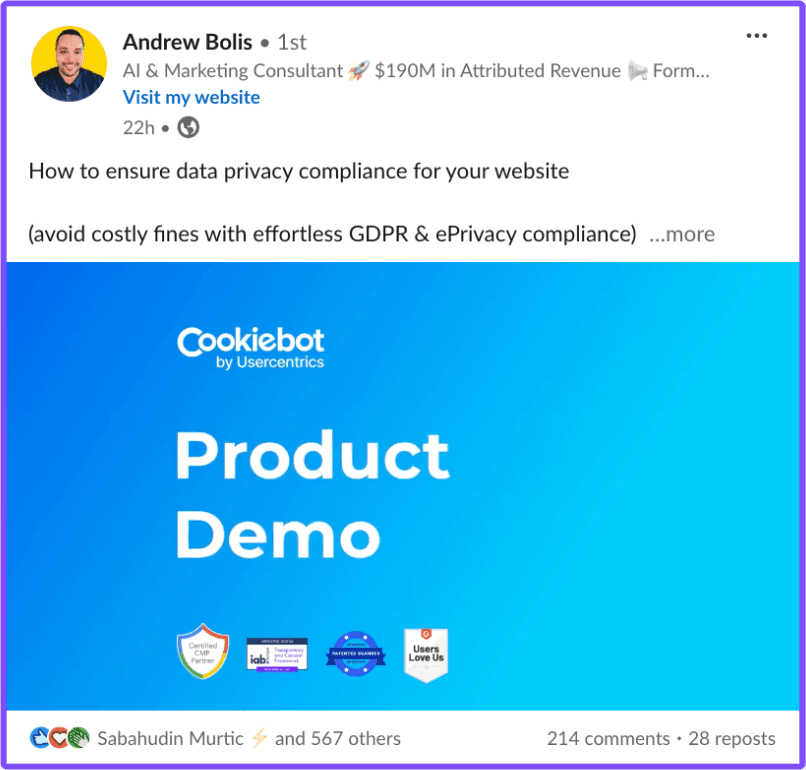
Customer Success Stories and Testimonials: Share stories from customers who have benefited from your product or service. Real-world examples are incredibly persuasive, as they provide social proof and demonstrate the tangible impact of your offering.
Consider creating a series of posts that feature customer testimonials, each one highlighting a different aspect of your product’s value.
Exclusive Offers and Incentives: Create a sense of urgency and exclusivity with special offers, discounts, or limited-time promotions. These can be particularly effective in driving conversions and attracting new customers.
For instance, a post announcing a special discount for your LinkedIn followers can encourage immediate action and increase engagement.
Educational Content: Use your platform to educate potential customers about the problems your product solves. This could be through how-to guides, FAQs, or blog posts that address common pain points and demonstrate how your product provides the solution.
For example, a post detailing the common challenges faced in your industry and how your product addresses them can position you as a thought leader and solution provider.
Incorporating selling content into your LinkedIn strategy doesn’t mean being salesy. It’s about being informative, helpful, and authentic, showing your audience the value you bring and why they should choose you over the competition.
Selling Content Ideas
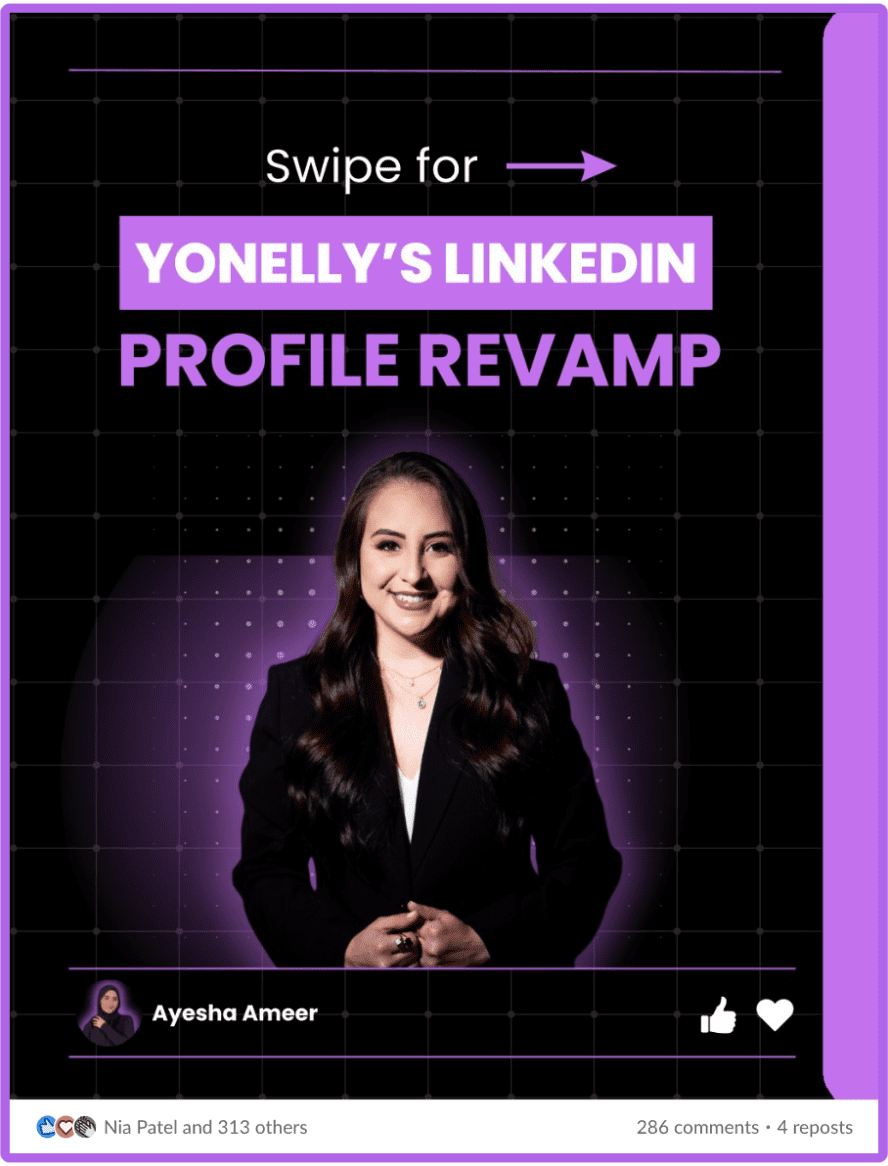
Case Studies - the best way to prove your authority is by providing social proof
Industry Insights - Let your audience know your predictions for the future of your industry
Promotion - Keep it simple and let you audience know about a sale/price decrease
Example pain point - Talk about how you solved a pain point for a client - tag/reference if you can!
Achievements/Awards - Previous or upcoming, share your awards and achievements and what they mean to you
Time-pressured achievement - Showcase a time you had to operate on a deadline
Partnership spotlight - Highlight a partnership and how it became successful
Selling Content Examples
Example hooks:
“I turned ___ into ____, here's how”
“The best feedback I ever received”
“In 10 years time, I think ____”
“I'm losing money on this deal, but I'll share it with you anyway”
“Heres how I generated ___ for a client in 10 days”
“I won the _____ in 2023”
Value: Educate, Inform, and Empower Your Audience
LinkedIn became also a place to gather the most brilliant people in every industry. if you look around the platform, you can learn on so many subjects. From cooking video-editing, AI, finance or even farming!
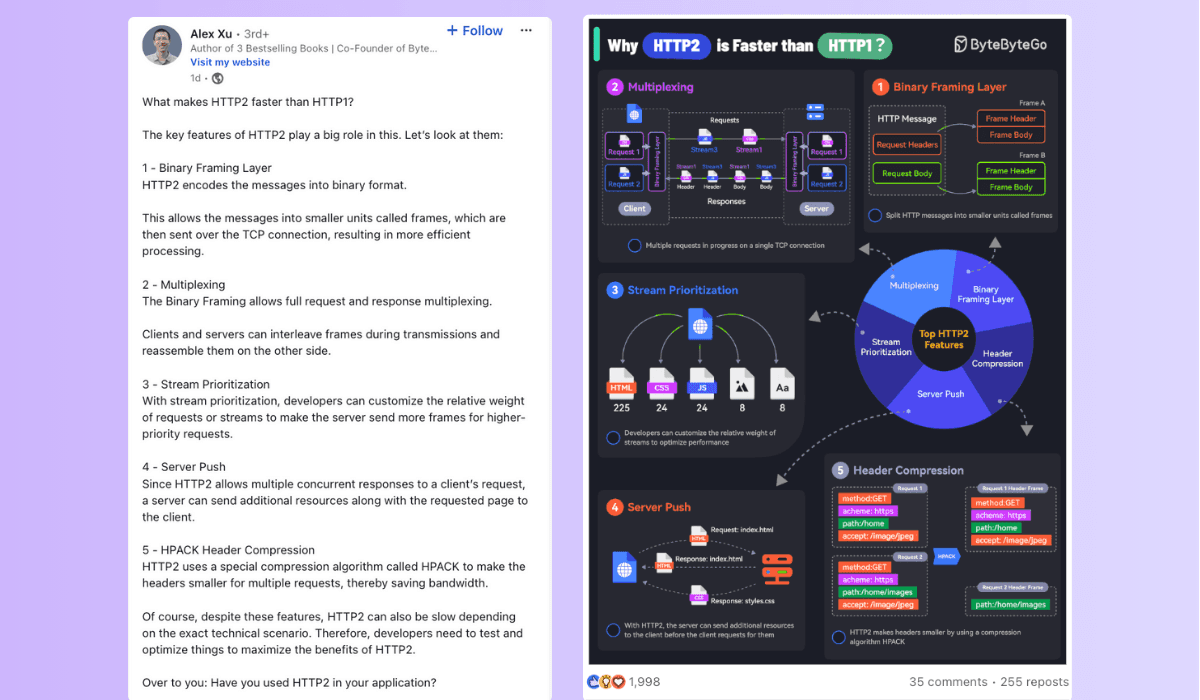
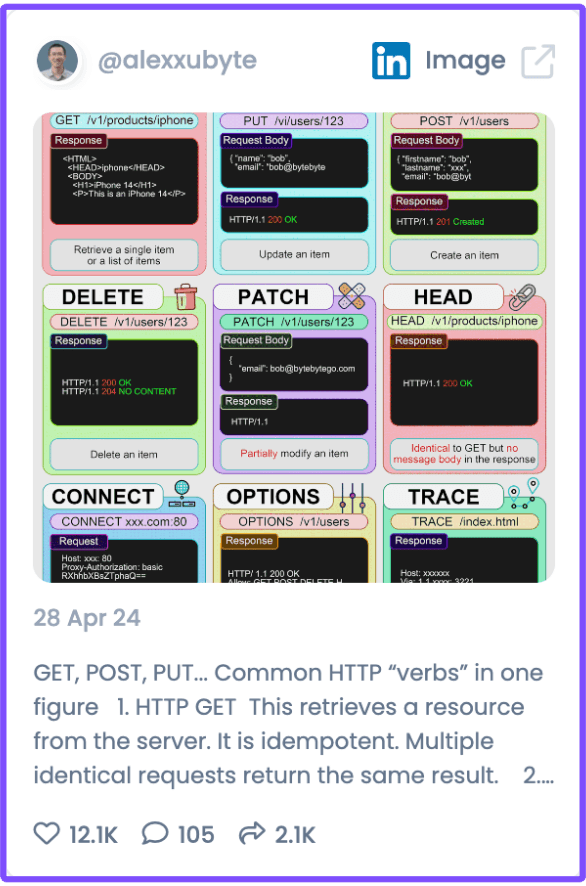
It’s the best place to get value and to give some! Let’s have a look at it with Alex Xu. His posts blend cutting-edge tech insights with lively storytelling, making complex topics engaging and accessible.
His viral content sparks insightful discussions and inspires many. Let’s explore his three latest impactful posts!
You can also think of Goldie Chan, who regularly shares insights and tips that are immediately useful to her audience, establishing herself as a go-to expert in personal branding and social media strategy.
People —and by that, we mean your audience, needs these kind of leaders!
Become the leader you want to be on LinkedIn
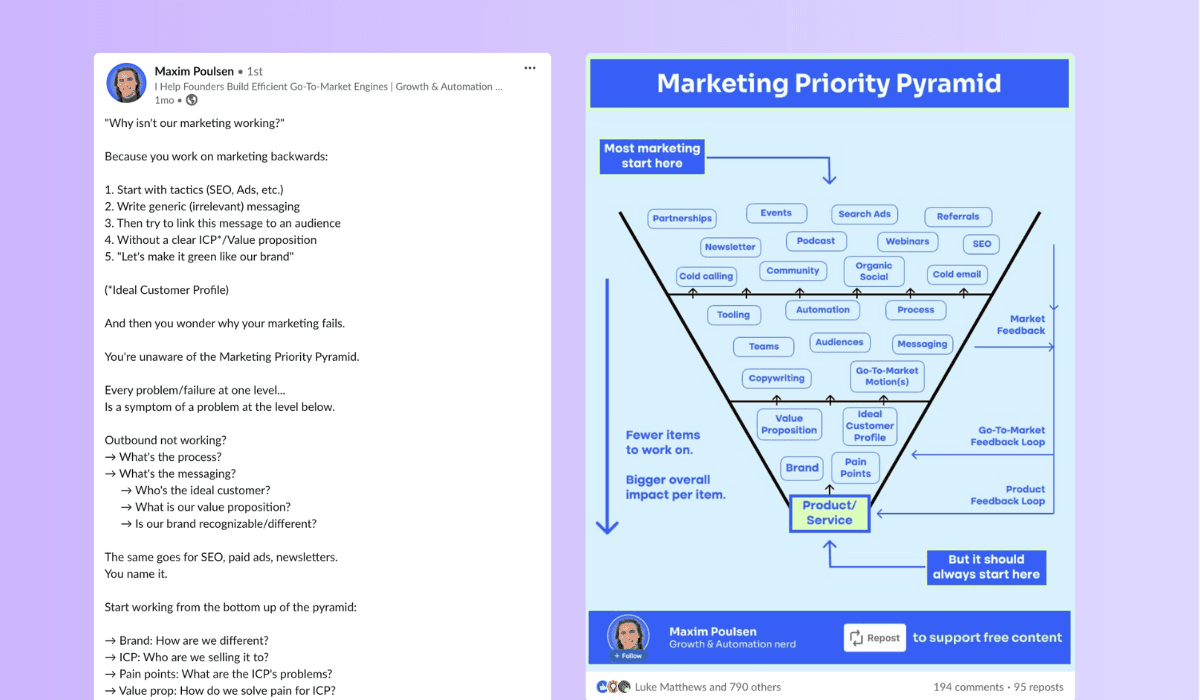
Industry Insights and Trends: Share your knowledge of the latest trends and developments in your industry. This positions you as an expert and keeps your audience informed about the topics that matter most to them.
For example, a post analyzing recent market shifts and their potential impact on your industry can attract significant engagement and establish you as a go-to resource.
Practical Tips and How-Tos: Offer practical advice and step-by-step guides that your audience can apply immediately. This type of content is highly shareable and demonstrates your expertise.
Consider creating a series of posts that provide actionable tips on improving efficiency, saving costs, or mastering a particular skill relevant to your audience.
Educational Webinars and Tutorials: Host webinars or create video tutorials that delve deep into relevant topics. These not only provide immense value but also allow you to interact with your audience in real time, answering their questions and addressing their concerns.
For instance, a webinar on the latest industry regulations and how to navigate them can attract a wide audience and generate leads.
Thought-Provoking Questions and Polls: Engage your audience with questions that spark discussion and encourage them to share their thoughts. Polls are a great way to gather insights and foster a sense of community.
For example, a post asking your audience their opinion on an emerging trend can generate meaningful interactions and provide valuable feedback.
Providing value is about being generous with your knowledge and resources, helping your audience solve their problems and achieve their goals. It’s this kind of content that builds lasting relationships and positions you as a leader in your field.
Value Content Ideas
Guide to (your niche) - 'How to' guide on an industry-related topic
Your approach - Let your audience know your method to your niche
Industry secrets - Share something from your industry that your network may not know
Tips for productivity - Let people know your productivity method
Frequently asked questions - Answer some frequently asked questions about your business
Checklists - A digestible checklist of how to succeed in your niche
Mistakes to avoid - Create a list of things you'd avoid if you were starting over
Best advice you're been given - Share a pocket of wisdom you've received that influenced your business
Myth busting - Shed light on an industry myth and give your take on it
Value Content Examples
Example hooks:
“If I were to rebuild my company tomorrow, I would ___”
“I built ____ in ____ here's how you can too”
“Here's the one thing I always look for in a CV”
“The exact method I used to ______”
“The biggest question I get asked is ____”
“The best piece of advice I ever received was ____”
“Stop doing this if you want to succeed”
Elevate Your LinkedIn Game with Purposeful Content
Congratulations, young founder! You've taken a significant step towards mastering LinkedIn content creation, tailored perfectly for your mega-busy schedule (—yep, it is still there).
By focusing on the three powerful pillars of Storytelling, Selling, and Value, you’re not just posting—you’re building a dynamic personal brand that resonates, engages, and converts.
Remember, the key to LinkedIn success lies in knowing your audience, setting clear goals, and being consistent. Your unique journey, your product's benefits, and your valuable insights are your secret spells.
Use them wisely, and watch as your LinkedIn presence transforms into a magnet for opportunities, connections, and growth.

So, go ahead, start crafting those compelling stories, showcasing your stellar products, and sharing your valuable knowledge. With the right approach, LinkedIn isn't just a platform—it's your launchpad to new horizons and successes.