
LinkedIn wurde als berufliches Netzwerk entwickelt. Aber es gibt dort auch eine faire Menge an Fremdscham.
Irgendwo auf dem Weg wurde es auch zur Bühne, zu einem Tagebuch, zu einem Comedy-Club und gelegentlich zu einer Gruppentherapiesitzung.
Während einige Nutzer versuchen, ihr professionelles Image wie ein Markenvermögen zu bewahren, behandeln andere die Plattform als Erweiterung des echten Lebens, wo Arbeit, Persönlichkeit, Humor und Fremdscham auf natürliche Weise vermischt werden.
So kamen wir zu den schlechtesten LinkedIn-Beiträgen, die von den schlechtesten LinkedIn-Profilen produziert wurden.
Was macht einen schlechten LinkedIn-Beitrag aus?
Ein schlechter LinkedIn-Beitrag ist nicht nur ärgerlich; er funktioniert auch nicht. Er bietet keinen Wert, kann sich gezwungen oder unecht anfühlen und verwechselt oft Engagement mit echtem Einfluss.
Viele Menschen nehmen LinkedIn ernst und arbeiten hart daran, ein poliertes, streng professionelles Image zu wahren.
Aber viele Benutzer sehen die Plattform nicht so, und das ist in Ordnung. Für sie ist Arbeit nur ein Teil des Lebens, zusammen mit Humor, Ironie und leichteren Momenten.
Wenn wir Kaffeepausen machen, Insider-Witze mit Kollegen teilen und ein wenig Auszeit bei der Arbeit nehmen können, warum sollten wir dann nicht auch lustig, sarkastisch oder ironisch auf LinkedIn sein dürfen?
Professionalität muss nicht bedeuten, robotic zu sein.
Es gibt Raum für Nuancen, Persönlichkeit und sogar ein Lachen, solange die Absicht kein leeres Geräusch, sondern eine menschliche Verbindung ist. Und es gibt nichts Menschlicheres als Humor.
Warum schlechte LinkedIn-Beiträge Ihrer Marke schaden
Schlechte Inhalte werden nicht nur ignoriert; sie beeinträchtigen auch, wie Menschen Sie wahrnehmen. Zunächst einmal:
1. Glaubwürdigkeit verringern
Wenn Ihre Beiträge gefälscht oder oberflächlich wirken, könnten die Menschen aufhören, Ihre Expertise ernst zu nehmen, selbst wenn Sie in Ihrem Job gut sind.
2. Sie ziehen das falsche Publikum an
Reaktionen von Menschen zu erhalten, die nur auf Dramen oder Klischees reagieren, wird Ihrer Karriere, Ihrem Geschäft oder Ihrem Netzwerk nicht helfen.
3. Sie machen Sie unvergesslich (oder schlimmer, stumm)
Konstanz ist wichtig, aber nicht, wenn Sie ständig nervig sind. Schlechte Beiträge gewöhnen die Menschen daran, an Ihren Inhalten vorbeizuscrollen.
11 Top Schlechteste LinkedIn-Beiträge Beispiele
Bevor wir einsteigen, ist es erwähnenswert, Folgendes zu sagen: Keines dieser Beispiele sind Verbrechen, und Spaß auf LinkedIn ist nicht das Problem.
Das Problem beginnt, wenn Beiträge ihre Selbstwahrnehmung, den Kontext oder den Zweck verlieren, und plötzlich fühlt sich dein Feed weniger wie ein professionelles Netzwerk und mehr wie ein soziales Experiment an.
In Anbetracht dessen sind hier 9 der schlimmsten (und häufigsten) LinkedIn-Beitrag Beispiele, die du definitiv erkennen wirst:
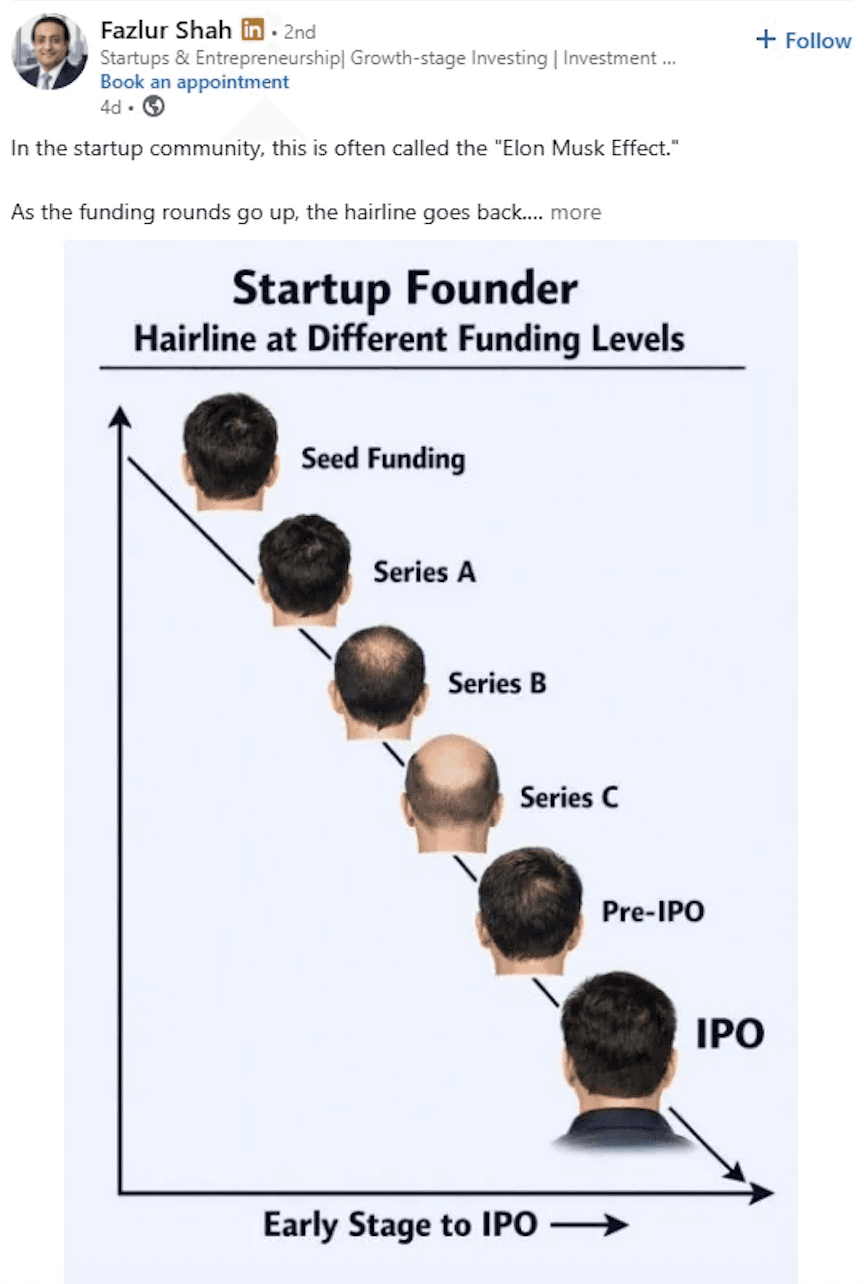
Typ 1: Der Jester
Versucht sehr hart, lustig zu sein, endet damit, beleidigend zu sein.
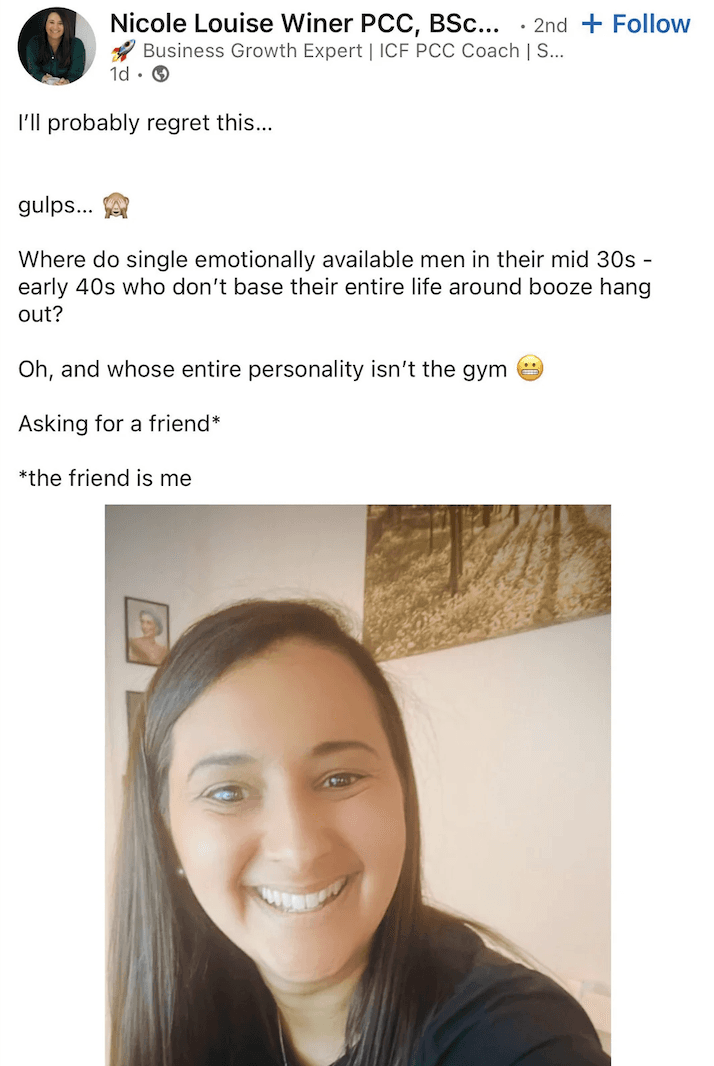
Typ 2: Der Romantiker
Es ist in Ordnung, nach Liebe zu suchen… Aber Verzweiflung hat ihre Grenzen.
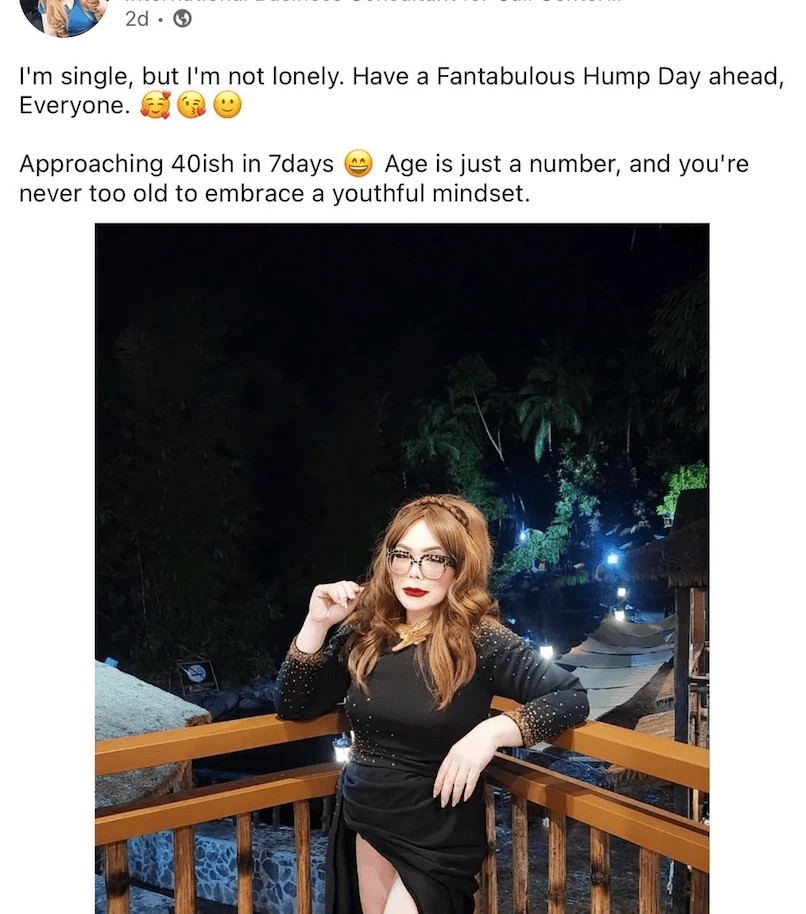
Typ 3: Die Midlife-Crisis
Plötzliche Neuerfindung, vage Weisheit, dramatische Ankündigungen. Wachstum ist gesund, aber vielleicht sollte man es auf Instagram ankündigen.
Typ 4: Der Aufmerksamkeitsuchende
Beiträge, die nur versuchen, Aufmerksamkeit zu erregen, ohne Einsicht, Fachwissen oder Relevanz zu bieten, könnten viral gehen, werden jedoch Ihre Autorität nicht aufbauen.
Wenn Ihr Beitrag auf Instagram oder Facebook ohne Änderungen existieren könnte, gehört er wahrscheinlich nicht zu LinkedIn.
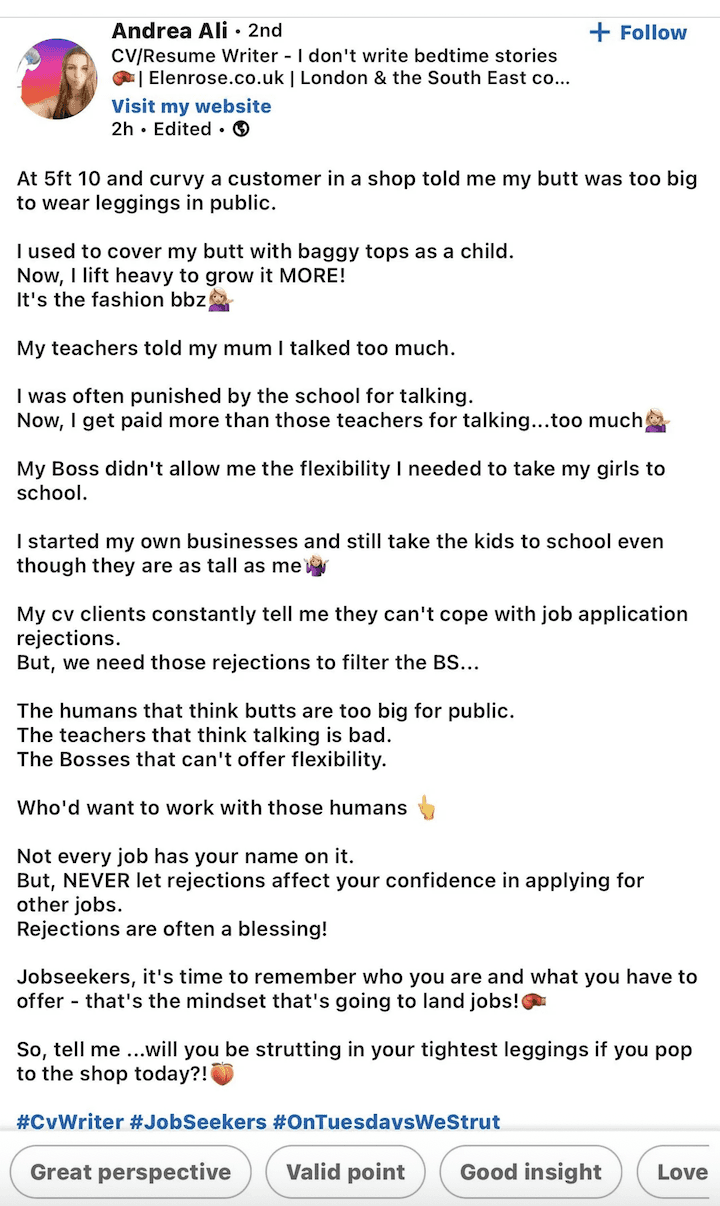
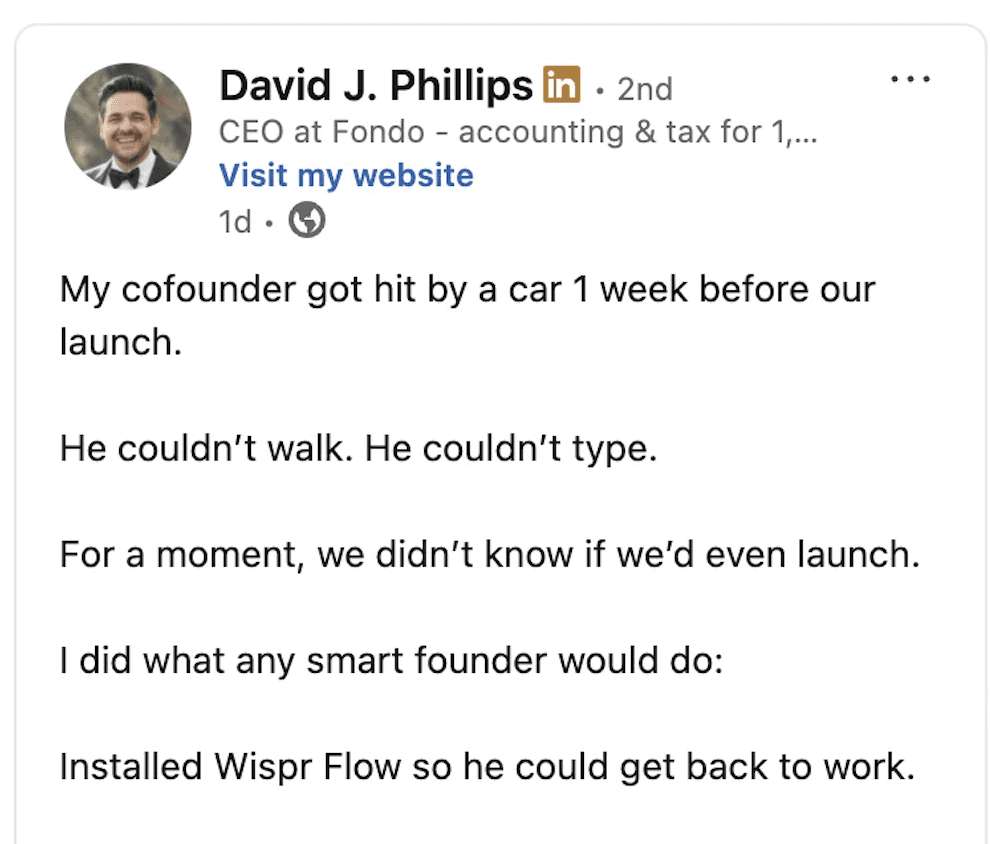
Typ 5: Der Versuchstyp
Persönliche Geschichten können auf LinkedIn funktionieren, aber nur, wenn sie klar mit einer beruflichen Lektion verbunden sind.
Wenn die Verbindung gezwungen, erzwungen oder nicht vorhanden ist, wird der Beitrag zu Lärm statt zu Inhalten.
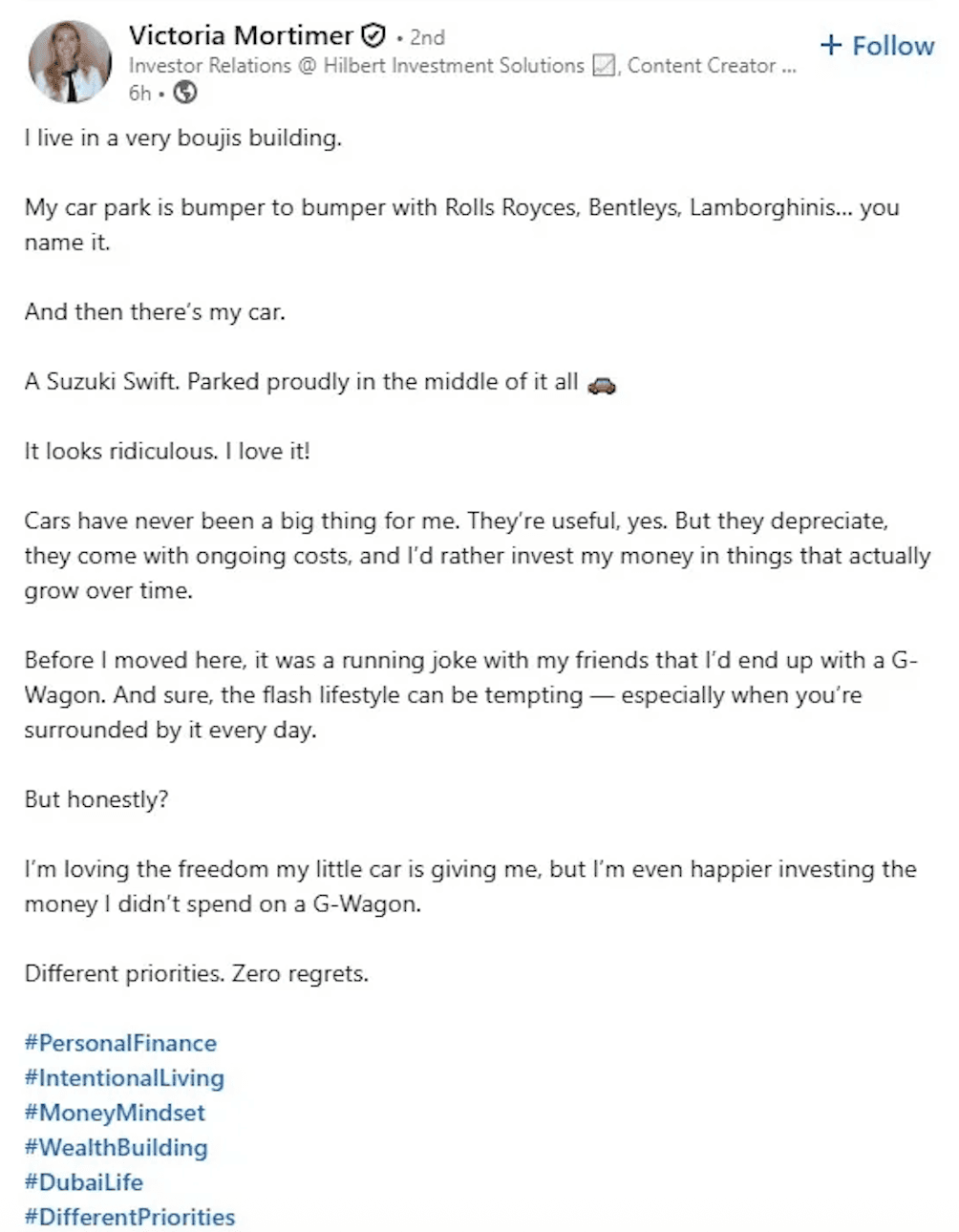
Typ 6: Der falsche Bescheidenheitsmodus
„Ich hätte nie gedacht, dass das passieren würde… Aber heute bin ich stolz zu verkünden, dass ich in diesem Jahr zum dritten Mal befördert wurde.“
So ein Beitrag tut so, als wäre er bescheiden, während er laut nach Bestätigung verlangt – und die Leser können das merken.
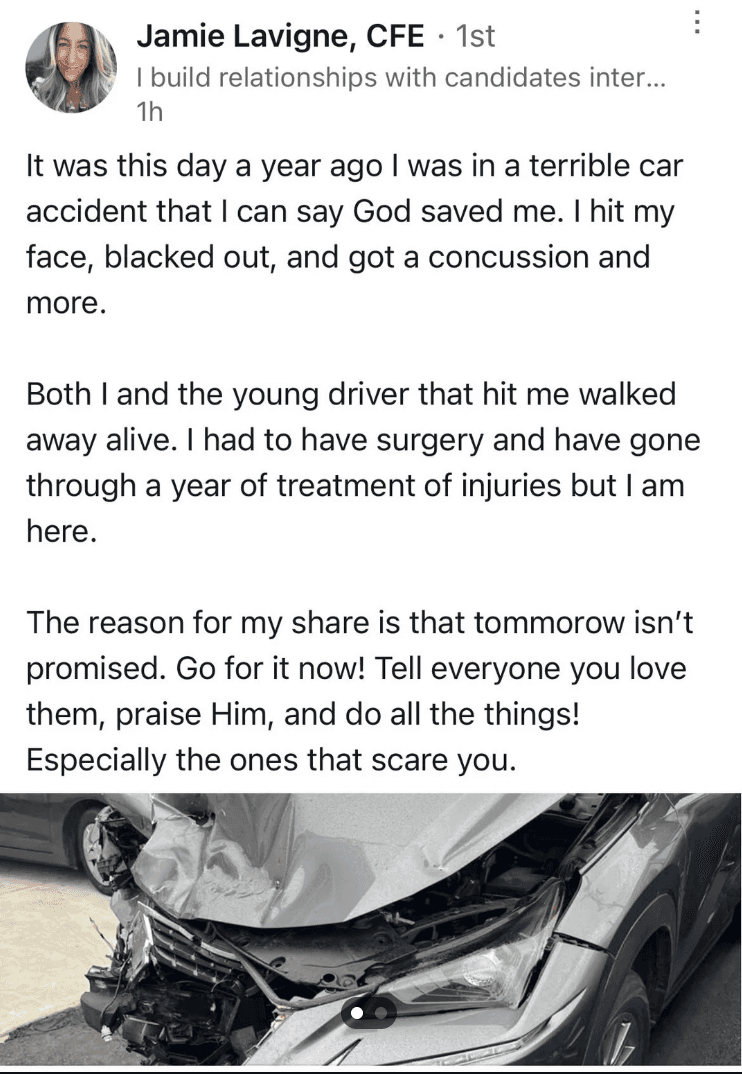
Typ 7: Der Trauma-Dumper
Das Teilen von Schwierigkeiten kann kraftvoll sein. Persönliches Trauma in Engagement-Fallen zu verwandeln, ohne Bezug zu Arbeit oder Wachstum, ist dies nicht.
LinkedIn ist keine Therapie, und Ihr Publikum hat nicht zugestimmt, emotionale Arbeit zu leisten.
Typ 8: Der besessene Elternteil
Jede professionelle Einsicht beginnt irgendwie mit „mein Kind hat mir beigebracht…“ Einmal niedlich. Nach dem zehnten Beitrag ermüdend. LinkedIn ist kein Elternblog.
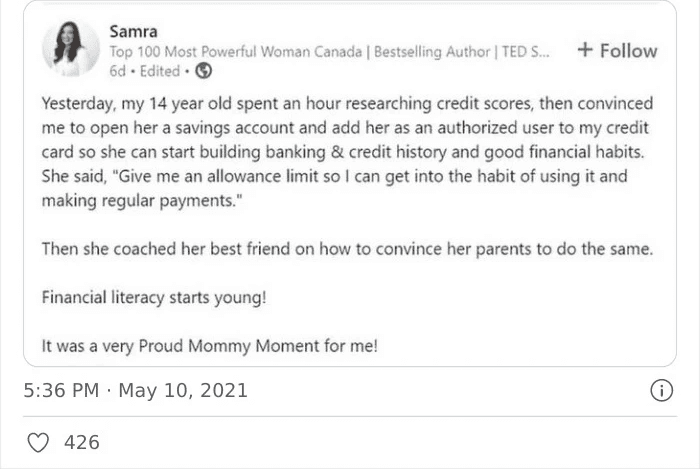
Typ 9: Der Überteiler
Er verwechselt Authentizität mit öffentlicher Therapie. Persönliche Geschichten sind in Ordnung, aber Grenzen existieren immer noch… selbst auf LinkedIn.
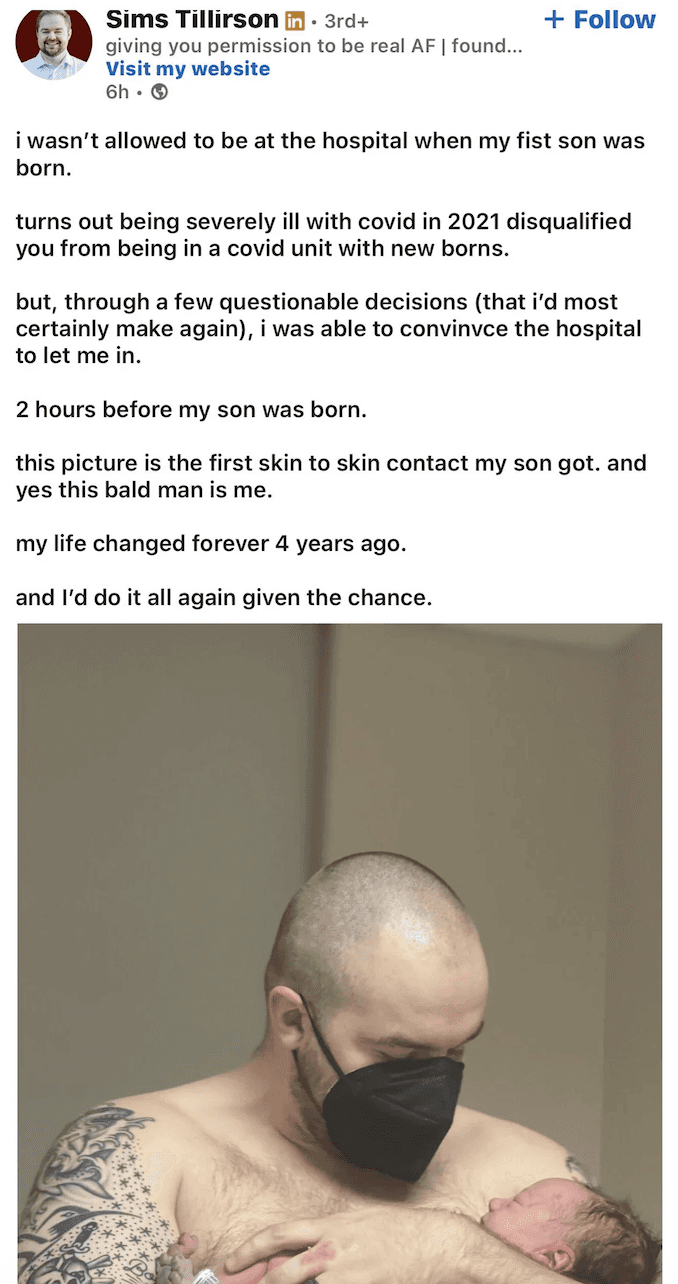
Typ 10: Der Opportunist
Erscheint nur, wenn es etwas zu gewinnen gibt. Trends, Tragödien und die Siege anderer Menschen sind alles Gelegenheiten für Inhalte.
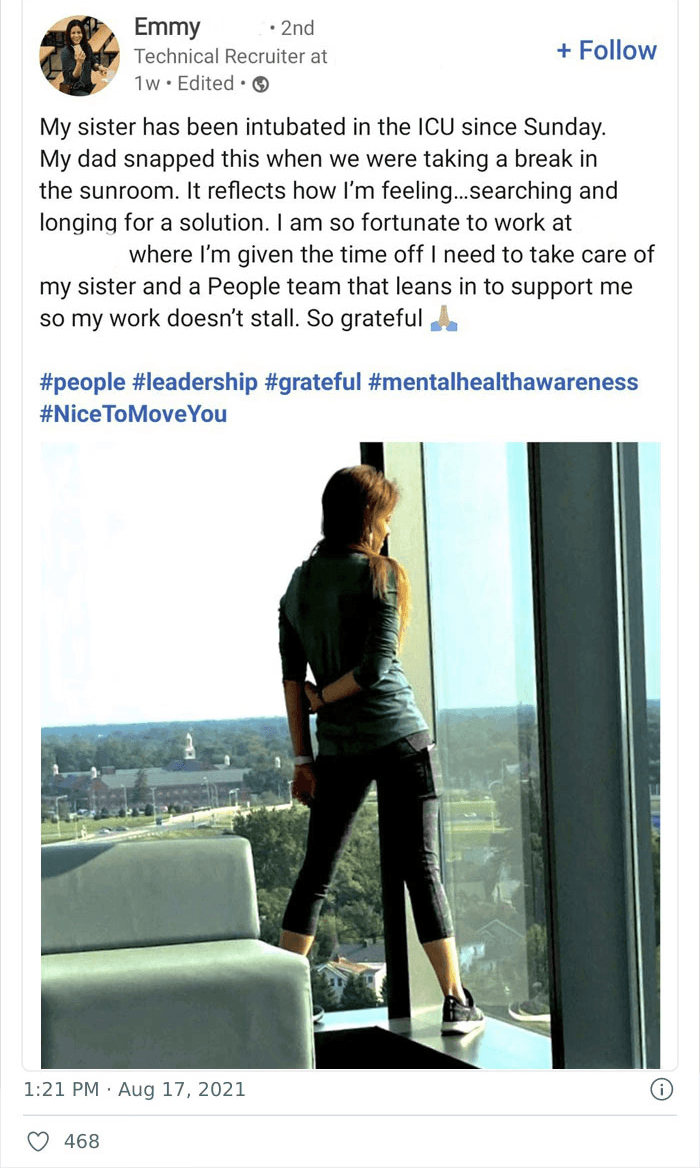
Typ 11: Der Wahnsinnige
Er ist verliebt in die Arbeit, das Unternehmen und den Alltag, fast unangenehm. Leidenschaft ist großartig. Idolierung ist seltsam.
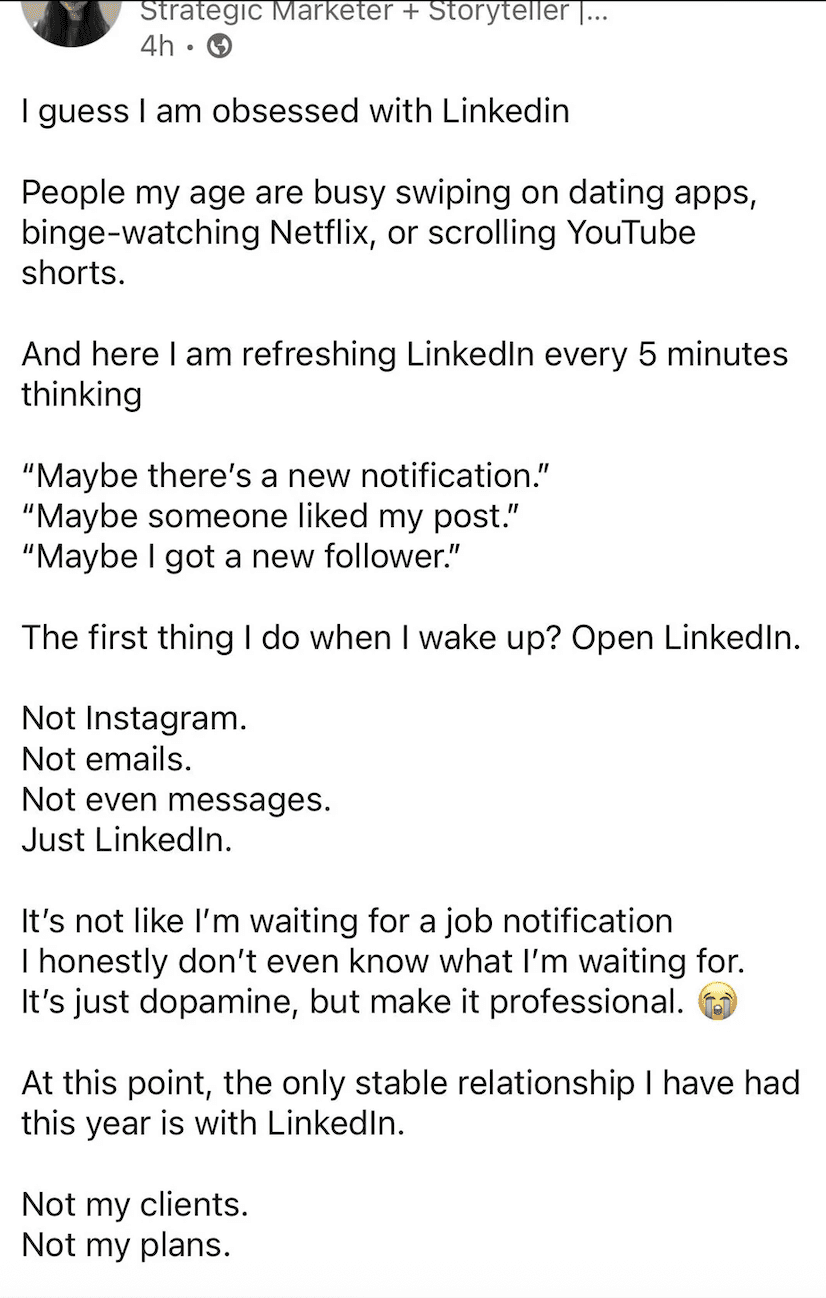
Zusammenfassend
Schlechte LinkedIn-Beiträge sind nicht immer offensichtlich, aber sie sind leicht zu erkennen.
Sie suchen Aufmerksamkeit, kopieren Trends und vergessen den Zweck der Plattform.
Wenn du auf LinkedIn auffallen möchtest, sei nützlich, sei ehrlich und sei absichtlich.
Der Feed braucht nicht mehr Lärm. Er braucht besseres Denken.