

LinkedIn was designed as a professional network. But it does hold its fair amount of cringe.
Somewhere along the way, it also became a stage, a diary, a comedy club, and, occasionally, a group therapy session.
While some users try to preserve their professional image like brand asset, others treat the platform as an extension of real life, where work, personality, humor, and cringe naturally mix.
That’s how we ended up with the worst LinkedIn posts produced by the worst LinkedIn profiles.
What Makes a Bad LinkedIn Post?

A bad LinkedIn post is not just annoying; it also doesn't work. It doesn't offer value, can feel forced or fake, and often mistakes engagement for real impact.
Many people take LinkedIn seriously and work hard to keep a polished, strictly professional image.
But many users don't see the platform that way, and that's fine. For them, work is just a part of life, along with humor, irony, and lighter moments.
If we can have coffee breaks, share inside jokes with colleagues, and take a little downtime at work, why shouldn't we be able to be funny, sarcastic, or ironic on LinkedIn?
Professionalism doesn’t have to mean being robotic.
There’s room for nuance, personality, and even a laugh, as long as the intent isn’t empty noise, but a human connection. And there’s nothing more human that humor.
Why Bad LinkedIn Posts Hurt Your Brand
Bad content doesn't just get ignored; it also hurts how people see you. First of all, they:
1. Reduce Credibility
If your posts seem fake or shallow, people may stop taking your expertise seriously, even if you are good at your job.
2. They Attract the Wrong Audience
Getting reactions from people who only respond to drama or clichés won't help your career, business, or network.
3. They Make You Forgettable (or Worse, Muted)
Being consistent is important, but not if you are always annoying. Bad posts make people get used to scrolling past your content.
11 Top Worst LinkedIn Posts Examples
Before diving in, it’s worth saying this: none of these examples are crimes, and having fun on LinkedIn isn’t the issue.
The problem starts when posts lose self-awareness, context, or purpose, and suddenly your feed feels less like a professional network and more like a social experiment.
With that in mind, here are 9 of the worst (and most common) LinkedIn post examples you’ll definitely recognize:
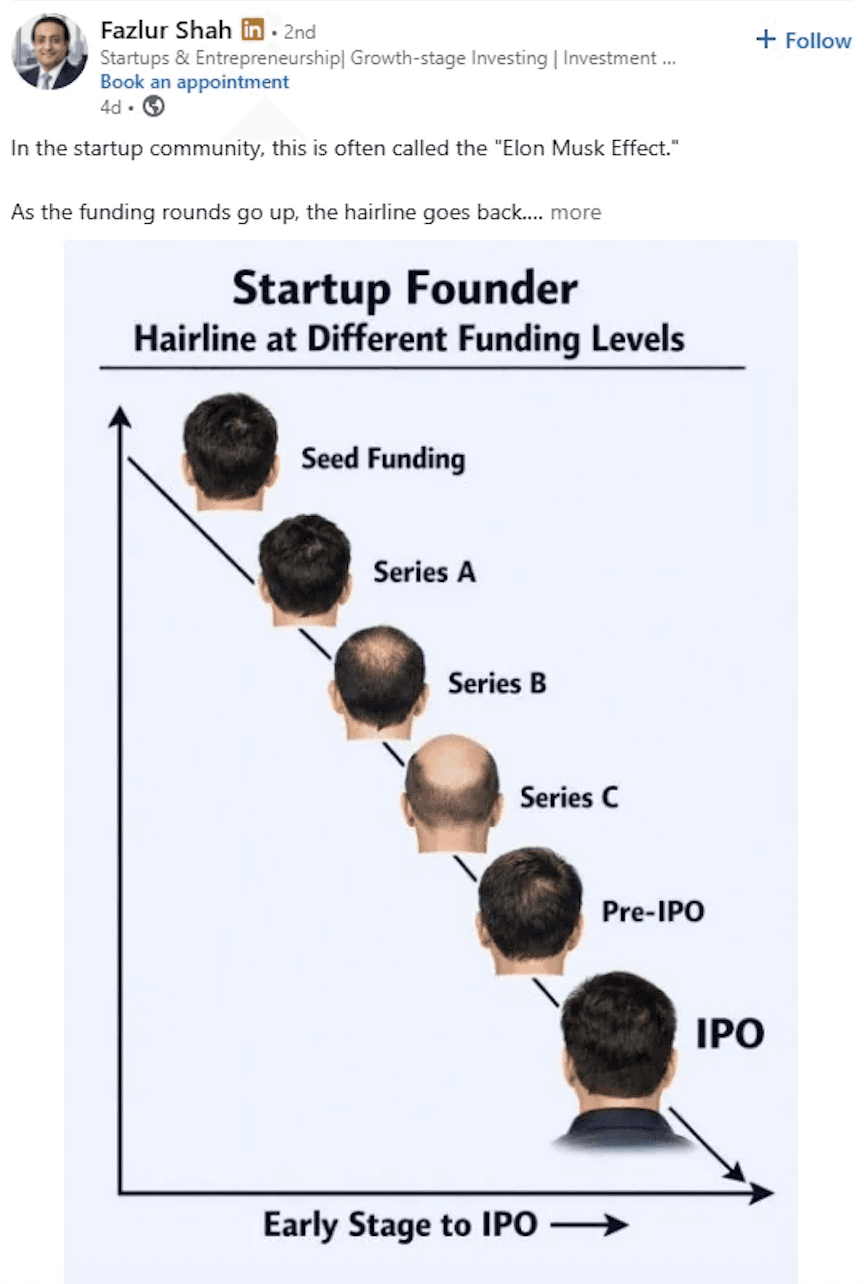
Type 1: The Jester
Tries very hard to be hilarious, ends up being offensive.
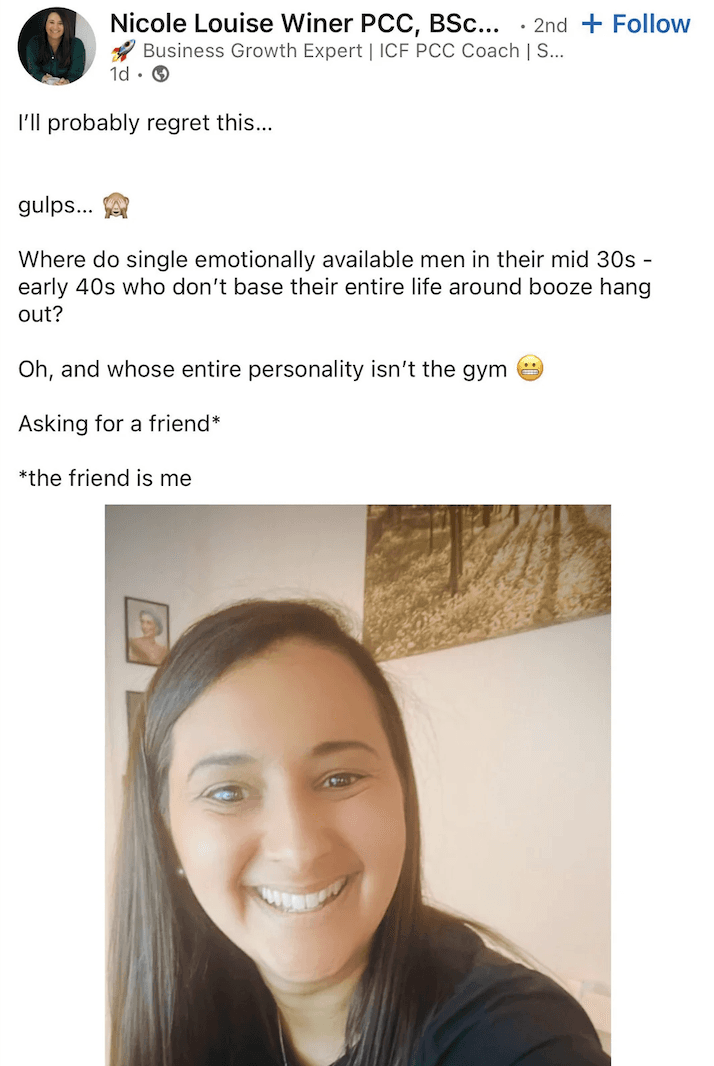
Type 2: The Romantic
It's okay to look for love… But desperation has limits.
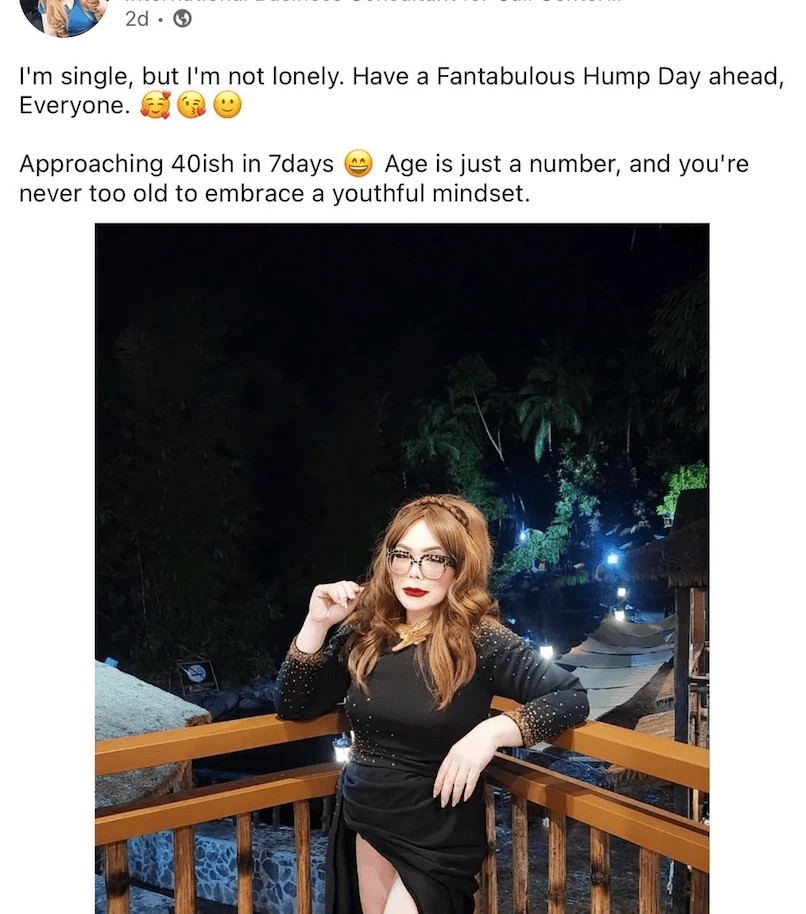
Type 3: The Mid-Life Crisis
Sudden reinvention, vague wisdom, dramatic announcements. Growth is healthy, but perhaps announce it on instagram.
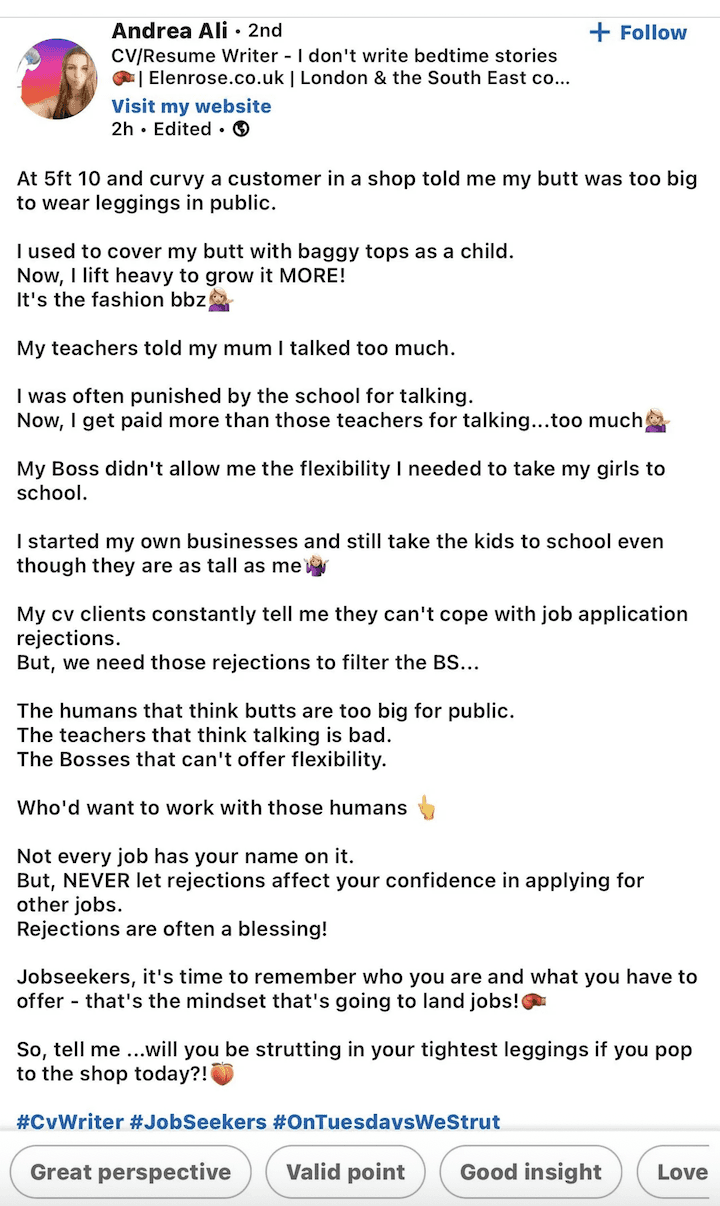
Type 4: The Attention-seeker
Posts that only try to get attention, without offering insight, expertise, or relevance, might go viral but won't build your authority.
If your post could exist on Instagram or Facebook without any changes, it probably doesn’t belong on LinkedIn.
Type 5: The Try-Hard
Personal stories can work on LinkedIn, but only when they connect clearly to a professional lesson.
If the connection feels stretched, forced, or nonexistent, the post becomes noise instead of content.
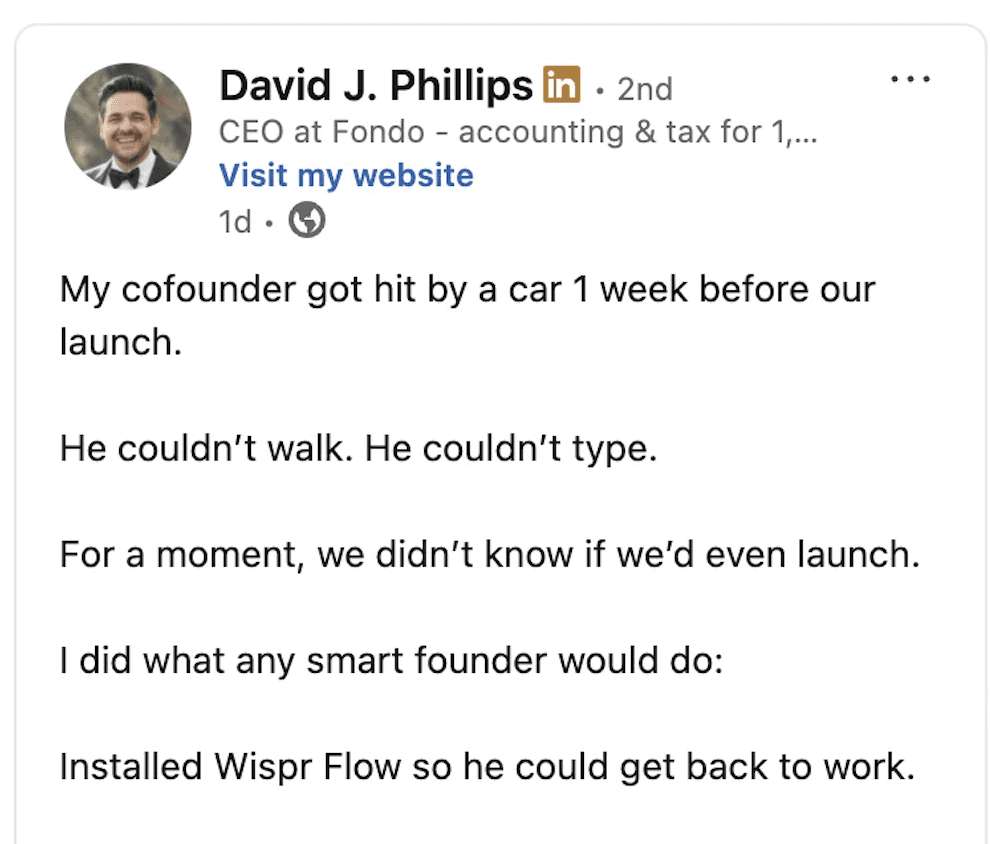
Type 6: The Fake Humblebrag
“I never thought this would happen… But today I’m proud to announce I’ve been promoted for the third time this year.”
This kind of post pretends to be modest while loudly seeking validation—and readers can tell.
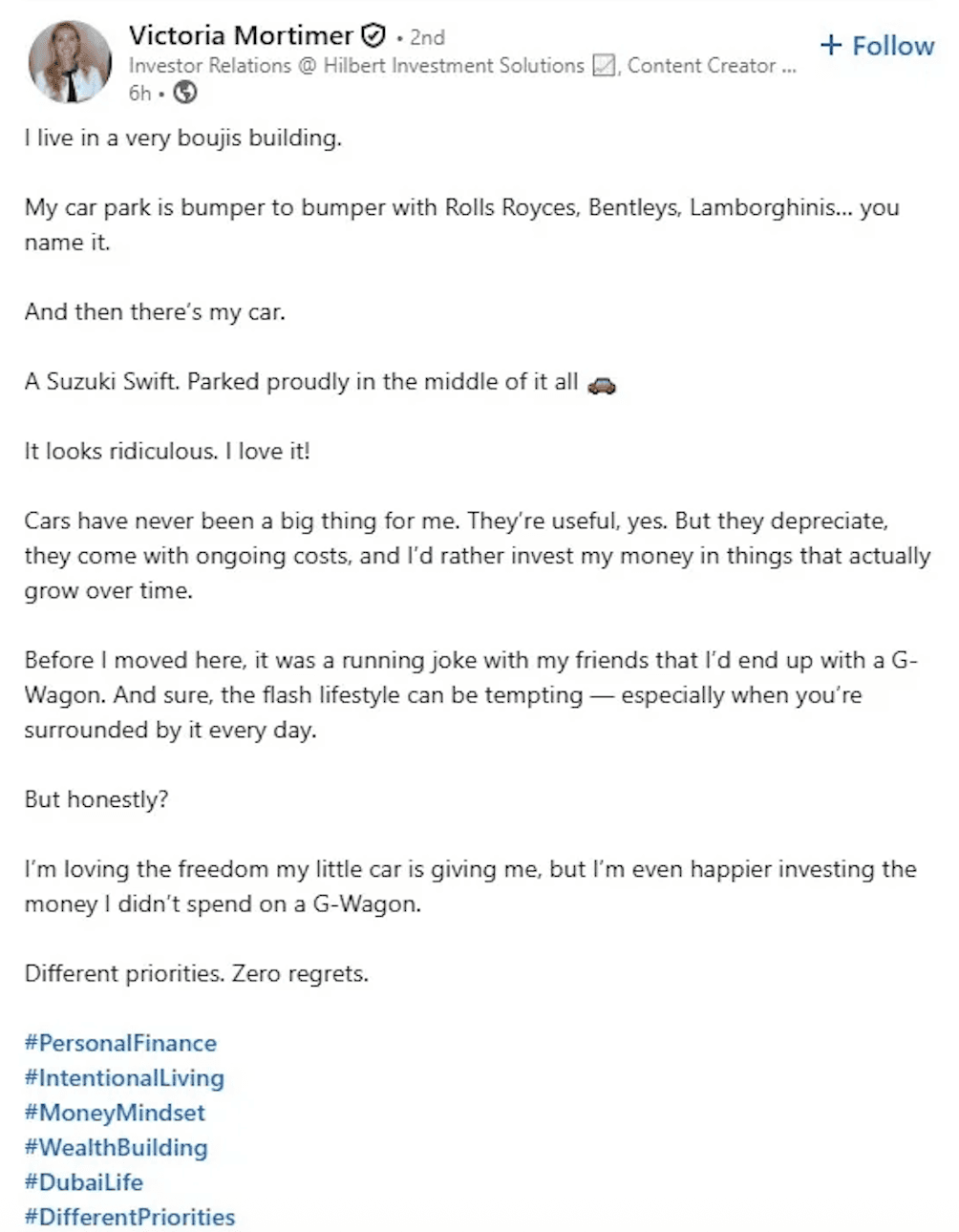
Type 7: The Trauma Dumper
Sharing hardship can be powerful. Turning personal trauma into engagement bait without relevance to work or growth is not.
LinkedIn is not therapy, and your audience didn’t consent to emotional labor.
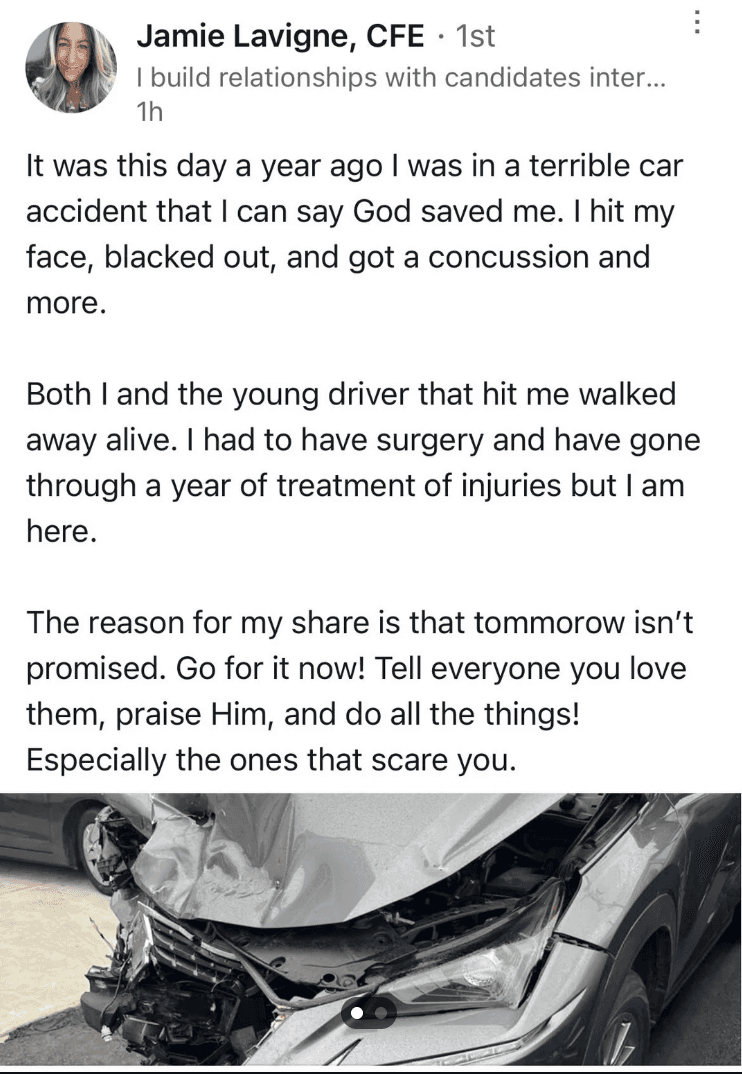
Type 8: The Obsessive Parent
Every professional insight somehow starts with “my child taught me…” Cute once. Exhausting after the tenth post. LinkedIn is not a parenting blog.
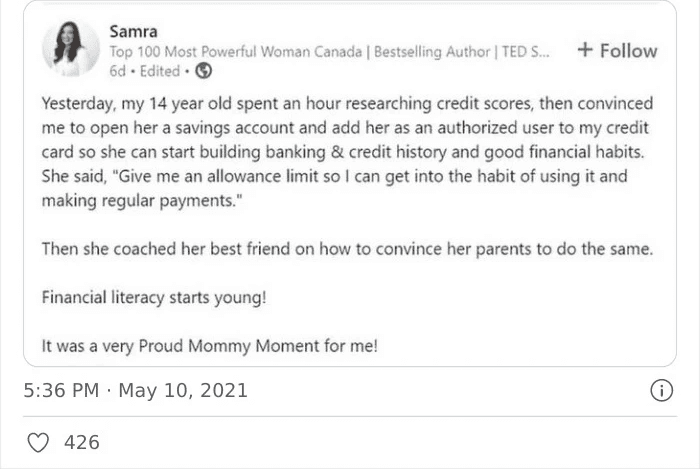
Type 9: The Over-Sharer
He confuses authenticity with public therapy. Personal stories are fine, but boundaries still exist… even on LinkedIn.
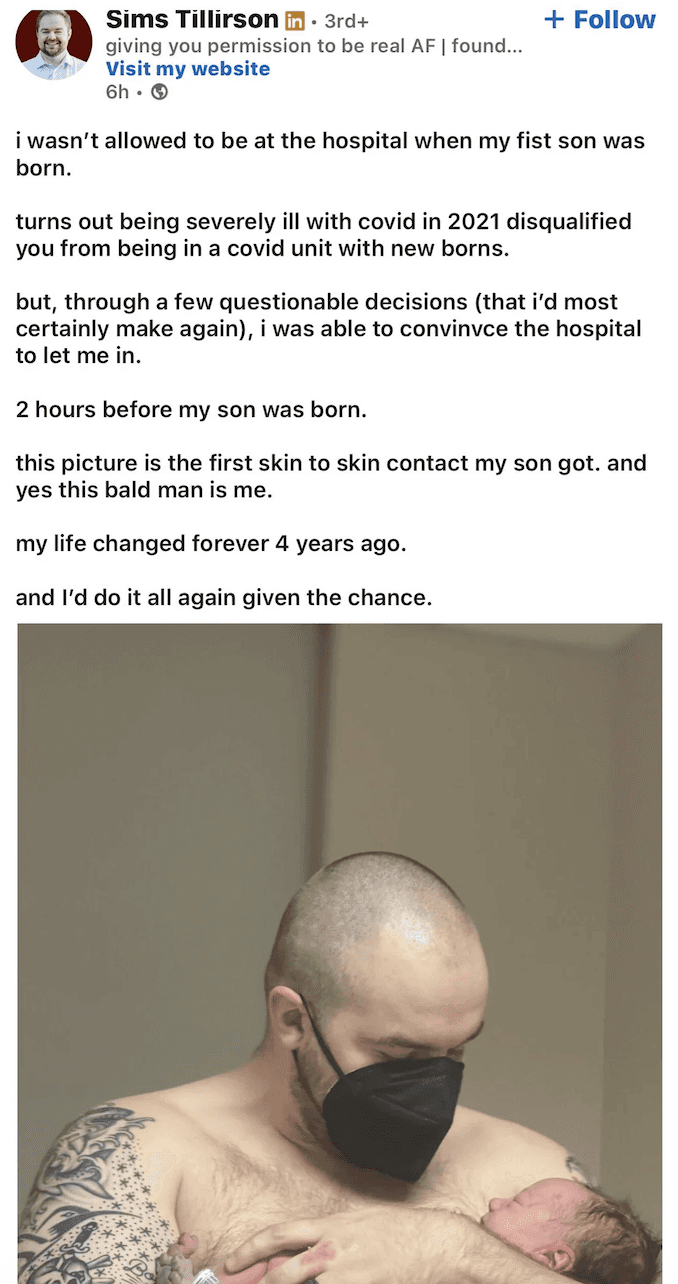
Type 10: The Opportunist
Only shows up when there’s something to gain. Trends, tragedies, and other people’s wins are all content opportunities.
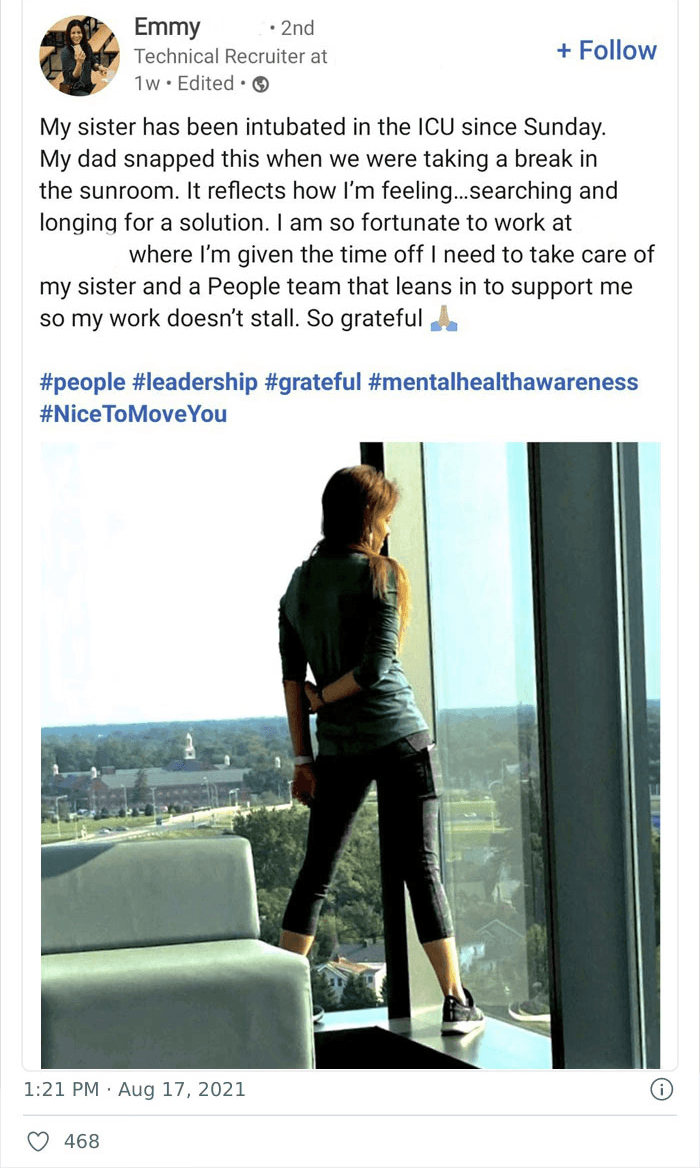
Type 11: The Lunatic
He's in love with work, the company, and the grind, almost uncomfortably so. Passion is great. Idolization is strange.
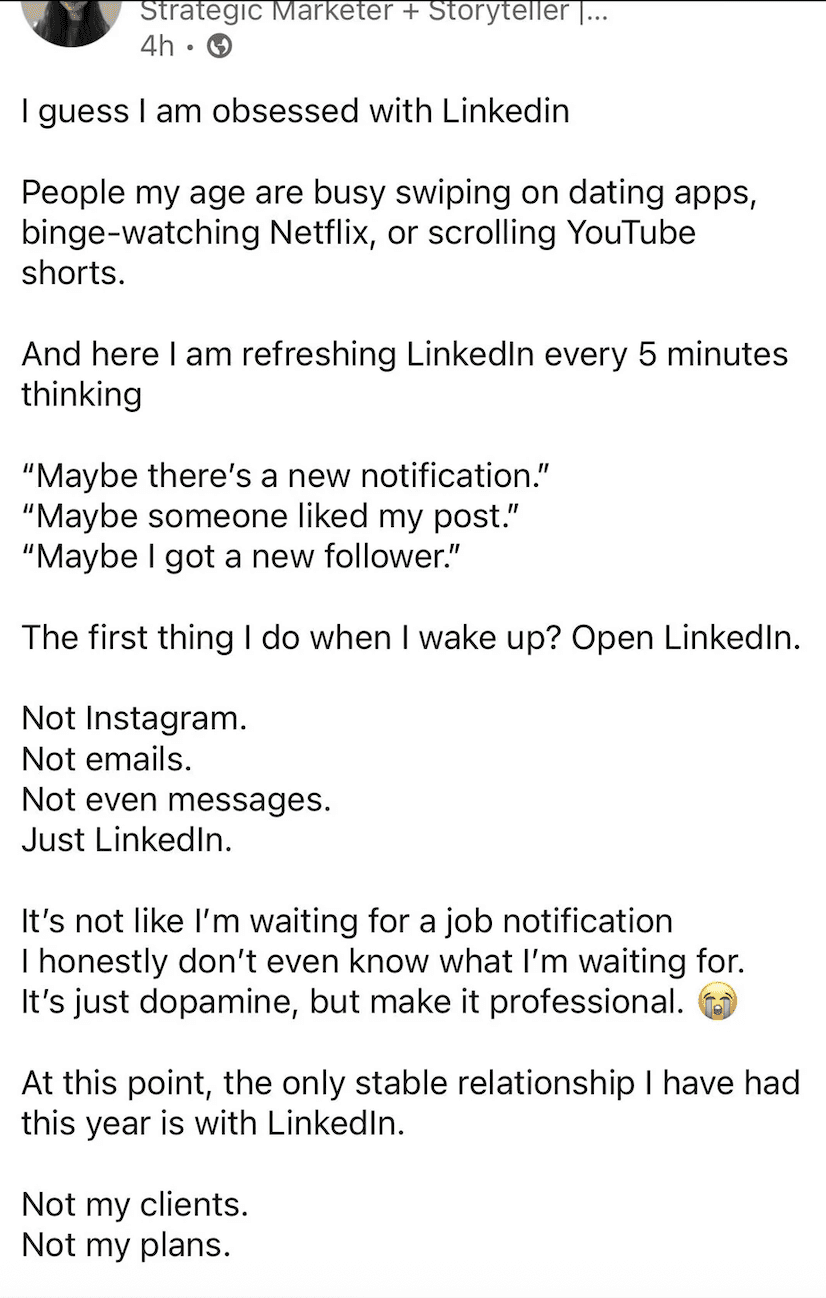
To Sum Up
Bad LinkedIn posts aren’t always obvious, but they’re easy to recognize.
They chase attention, copy trends, and forget the purpose of the platform.
If you want to stand out on LinkedIn, be useful, be honest, and be intentional.
The feed doesn’t need more noise. It needs better thinking.