

You write the best piece of content of the day, hit “post,” and then… crickets.
It barely gets any attention.
Maybe, if you had added that one scroll-stopping element, things would’ve gone differently.
In a feed full of thought leaders, hiring managers, and B2B brands all fighting for attention, you need something that makes people stop mid-scroll.
Posting photos on LinkedIn isn’t optional anymore to your Linkedin posting strategy, it’s a weapon. Photos, infographics, and carousels should be your best allies.
Why It’s Important to Add Images to Your Posts on LinkedIn?
Not everyone engages with content the same way. Some people enjoy reading texts, while others prefer scanning visuals. That’s why adding photos is a good way to make people stop and pay attention.
Visuals make your content:
Easier to consume: Images break complex information into simple, digestible pieces your audience can scan instantly.
More memorable: Visuals stick in people's minds far longer than plain text, keeping your message top of mind.
Scroll-stopping: A strong image makes users pause mid-scroll—and that pause signals the algorithm to push your content to more people.
And the best part? There’s no single formula for what counts as a great image post. Your visuals can take many forms, such as:
Visual Type | Purpose |
|---|---|
Selfies | Show the human side behind your brand; people connect with faces, not logos. |
Quotes or Citations | Share powerful insights or lessons to spark reflection and engagement. |
Personal Photos | Give a glimpse of your work environment, team, or moments that reflect your culture. |
Memes | Add humor or commentary on industry trends while keeping things light and shareable. |
Infographics | Turn data or stats into clear, visual graphs. |
How Many Photos Should You Add to a LinkedIn Post?
The platform lets you upload up to 20 images per post, but that doesn’t mean you should.
The goal of visuals is to simplify information and make it more accessible. So posting too many images that convey the same message defeats the purpose.
If you overshare, you risk cluttering your post and distracting viewers from your main message.
The sweet spot? Between 1 and 5 images.
1 photo draws focus and goes straight to the point 9for example: announcements, achievements, or quotes)
2 to 3 photos help you show context or contrast (for example: before-and-after shots or event highlights).
4 to 5 photos are perfect for storytelling (for example: a step-by-step guide or photo album of an event)
Technically, yes, you can upload up to 20 photos if needed.
Sticking to 1 to 5 photos keeps your content focused, easily consumable, and visually balanced.
Which is exactly what LinkedIn’s professional audience prefers.
Types of photos to add to your post on LinkedIn
It’s not just about adding an image; it’s about picking one that adds meaning.
A powerful image should complement your words, reinforce your message, and make your post instantly understandable, even without reading the caption. Here’s how to make every visual count:
Illustrate Your Point Visually
Pick an image that shows your main idea. For example, if you’re writing about growth, use a simple chart or an upward arrow. If you’re talking about teamwork, choose a photo of people working together.
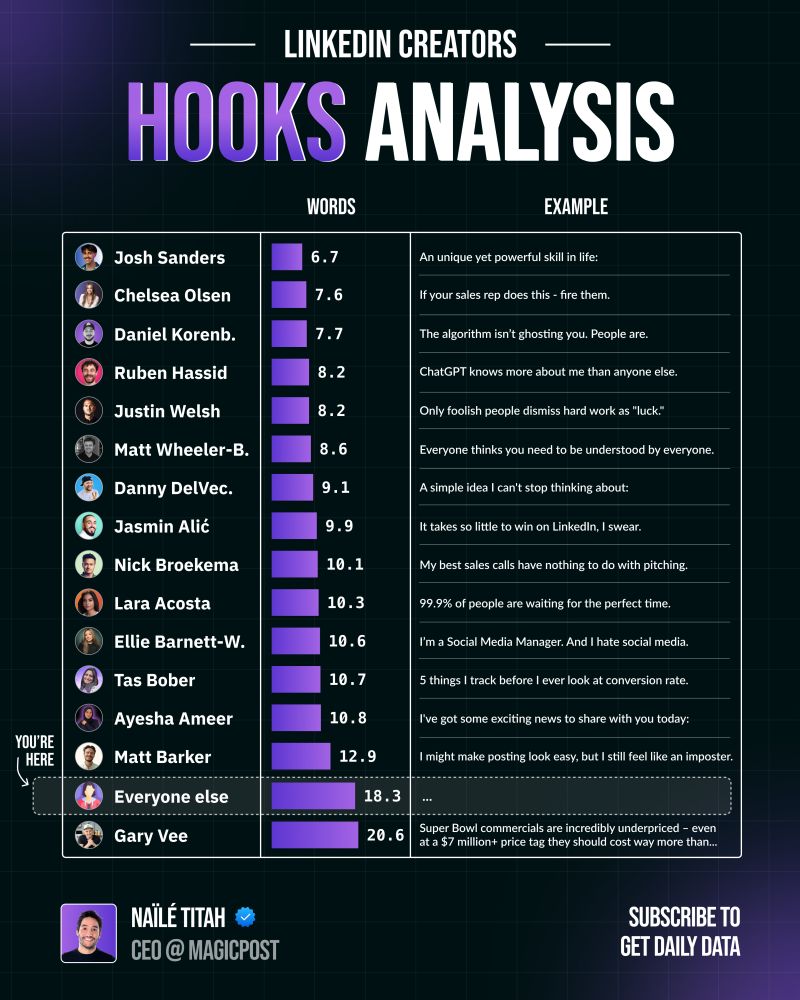
When your image matches your message, readers get your point faster and your post stands out.
Show Context, Not Just Concepts
Choose images that show where or how something happens, like a photo from an event, a project underway, or a real-life example. These kinds of visuals make your content feel real and useful, not just theoretical.
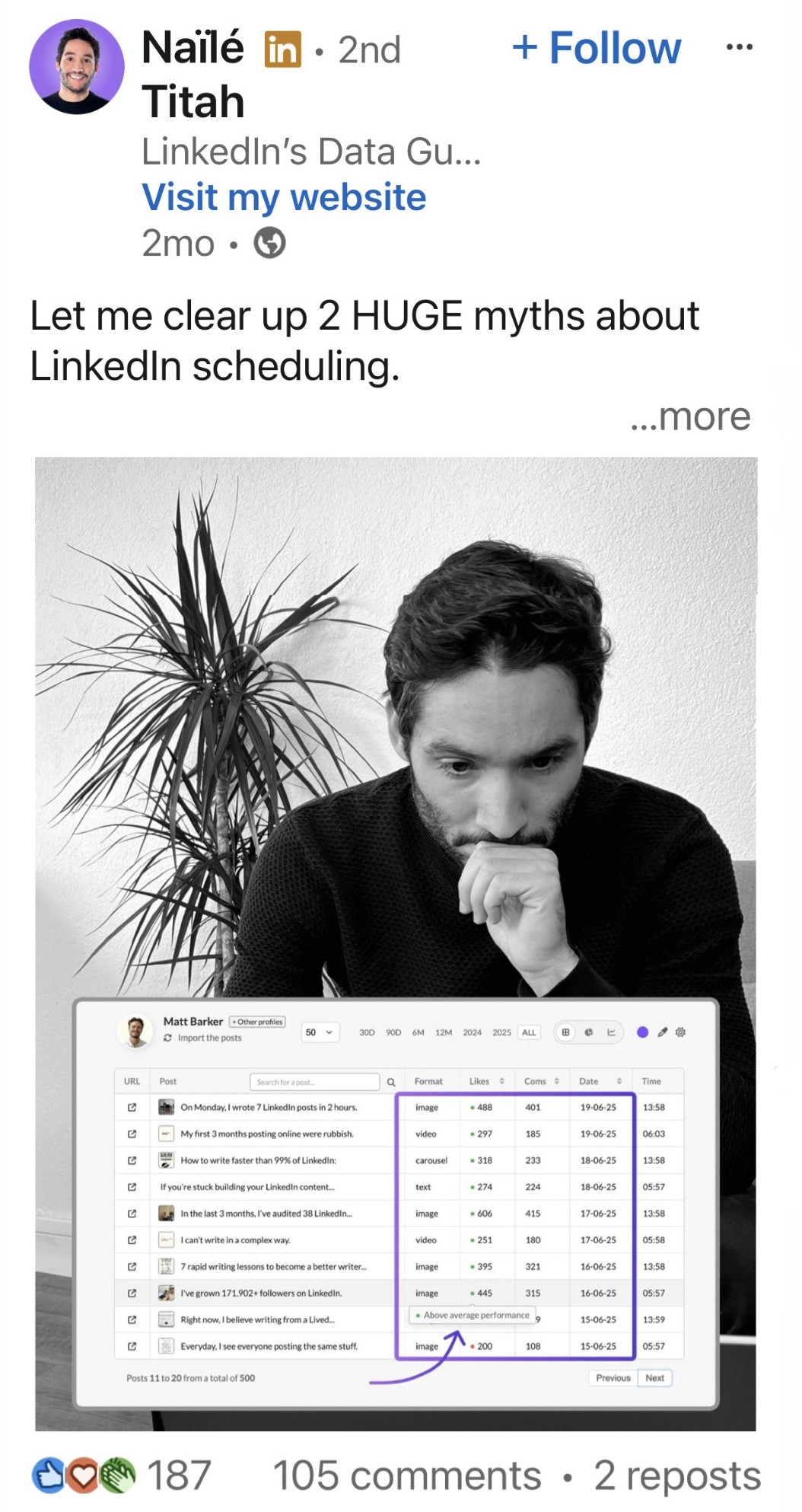
Use Your Own Photos for Personal Branding
Being real works better than being perfect. Share photos of yourself working, presenting, brainstorming, or showing what happens behind the scenes. People connect with real people, not stock photos. Using your own images helps build trust and makes you more recognizable.
Simplify Complex Ideas
If your post has several steps, insights, or data points, turn them into a simple visual instead of a long paragraph.
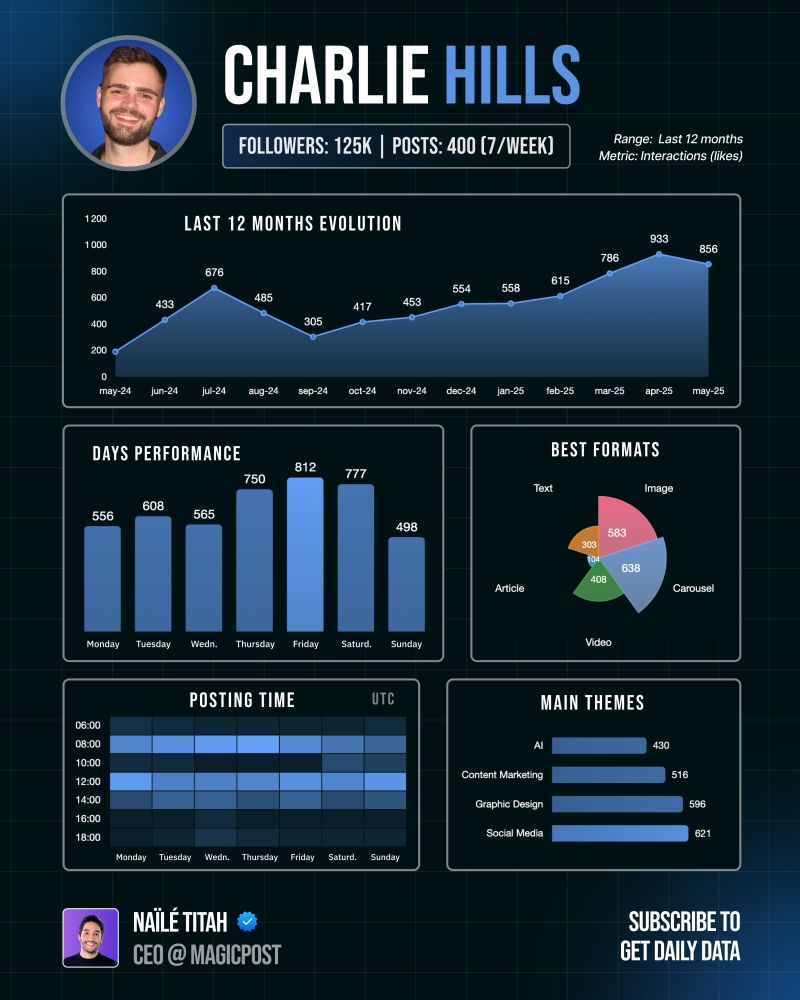
Diagrams, summaries, or clear graphics make your information easier to read and remember, especially for busy people who are scrolling quickly.
Keep It Focused and Intentional
Every image should have a clear purpose, like explaining, supporting, or highlighting something. If it doesn’t help make your point or add feeling, leave it out. Good visuals are there for a reason, not just for decoration.
To Wrap it Up
A few points important to keep in mind:
Not every post needs an image.
Image posts get almost the same reach as text-only posts
People don't follow you because of the beautiful images you post.
You don’t need to be an expert or have a unique skill to create image posts.
At the end of the day, it’s the value of your posts that keeps people coming back for more.
As Jasmin Alic said, "Good looks can't make up for poor writing."